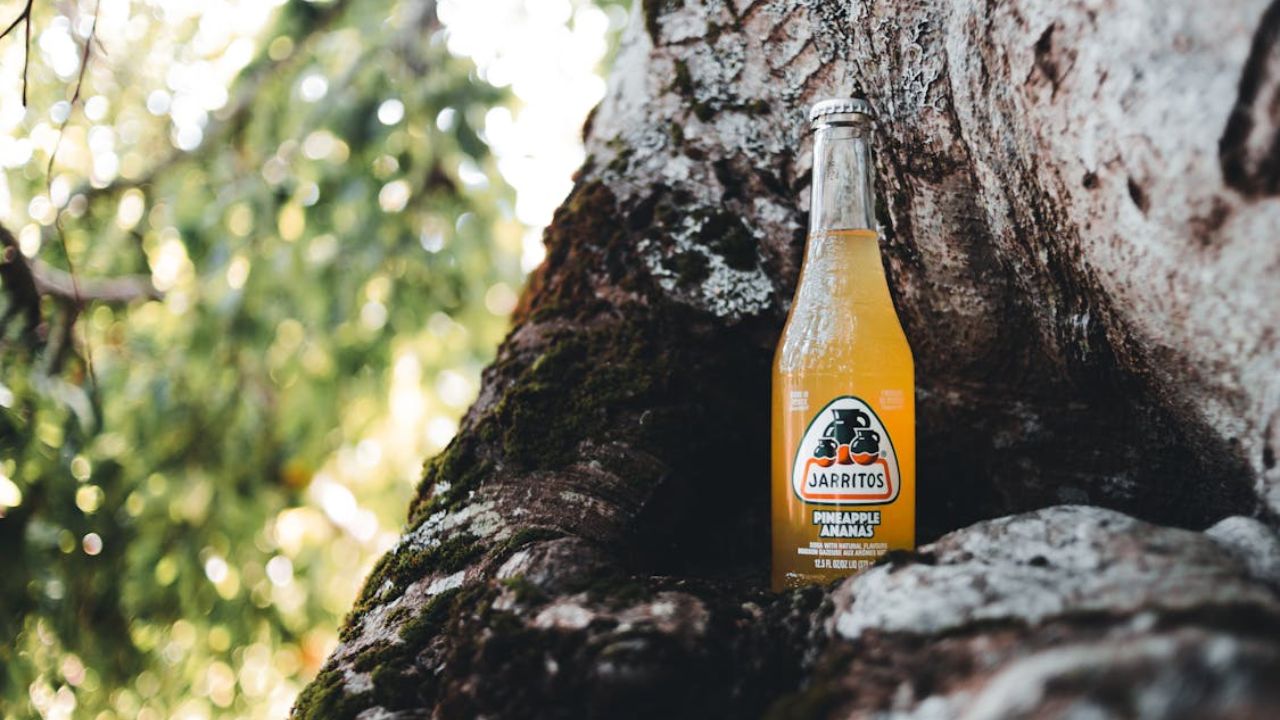
When we discuss Mexican soda, we are entering a realm much beyond just sweet beverages. Imagine vivid tastes overflowing with actual fruit, a pleasing fizz that tingles your tongue, and that distinctive sweetness that somehow seems different. Unlike many mass-produced sodas abroad, Mexican soft drinks typically have a distinctive appeal anchored in flavor and history. Usually having a retro twist-off top, they are often available in classic glass bottles. Often the secret is the sweetener; many real Mexican sodas utilize cane sugar instead of high-fructose corn syrup, producing a cleaner, sharper sweetness that supporters claim is better. This emphasis on simpler, sometimes fruitier ingredients produces a refreshing experience that has won hearts—and taste buds—all across. Prepare yourself to investigate why these effervescent drinks are a cultural experience in a bottle rather than just a beverage.

The Secret Ingredient: Why Mexican Fizzy Drinks Taste Different
Ask everyone who likes Mexican pop, and they will tell you it just tastes better. But the actual secret is what? Often the sweetener is the main determinant. Many classic Mexican sodas call for pure cane sugar (“azúcar de caña”). Cane sugar gives a cleaner, less syrupy sweetness than the high-fructose corn syrup used in many American beverages. It seems brighter and helps the other tastes come through rather than leaving that thick coating on your mouth. After that is the carbonation. Particularly those in returnable glass bottles, Mexican sodas generally have a brighter, more forceful fizz that feels sharper and more reviving.
Ultimately, the tastes themselves are sometimes stronger and more fruit-forward. Mexican soft drinks often have more strong natural or synthetic flavorings that deliver a great punch, whether they be the flowery notes of a mandarin drink or the strong punch of a tamarind soda. That unique taste is from a mix of pure sugar, energetic bubbles, and bold flavor.
Beyond Cola: Exploring Vibrant Mexican Fruit Sodas
The true adventure is in the growth of Mexican fruit drinks, even while Mexican Coke gains notoriety. Local companies really shine here as they provide a kaleidoscope of tastes not commonly available elsewhere. Imagine opening a cold Jarritos bottle; their iconic vivid green Lime taste tastes just like freshly squeezed limes with ideal fizz. Sidral Mundet presents a crisp, cool, distinctive flavor of sparkling apple cider. Sangría Señorial offers a non-alcoholic, very sweet sangria-style taste. Don’t miss Boing!, well-known for its very sweet mango, guava, and strawberry selections. Then there’s the acidic, sophisticated joy of tamarind soda ( Jarritos Tamarindo is a standout), ideal for cutting through rich cuisine. While pineapple drinks explosion with tropical brightness, Hibiscus (Jamaica) sodas provide a tangy, flowery, ruby-red delight.
These fruit flavors are not only sweet; sometimes they are sour, sometimes earthy, always interesting; they really capture the spirit of the fruit. They’re a sparkling celebration of Mexico’s amazing output.
The Glass Bottle Magic: Why Mexican Bottled Soda Feels Special
Owning a cold, clear bottle of Mexican soda has unquestionably unique appeal. It influences the experience; it is not only nostalgia! Since glass is inert—that is, it does not interact with the soda inside—preserving the pure, intended taste free of metallic or plastic aftertaste. First ice sip is really delightful since the thick glass also keeps the drink colder for longer. Especially those imported historically, many Mexican drinks come in returnable bottles. This approach is not just environmentally healthy; it also frequently represents a link to smaller, regional bottlers who could still employ the traditional cane sugar recipes. Often a strong, curved glass, the bottle form itself feels real and weighty in your hand.
Furthermore adding to the celebratory mood are the often vivid and striking labels. Sometimes you need an opener, but overall the gratifying “clink” of the bottles and the process of opening them add up to a more interesting, sensory experience than grabbing a can or plastic bottle. It turns a basic beverage into a brief pleasure trip.
Mexican Cola: Decoding the Global Obsession
Among soda drinkers, Mexican Coke, sometimes known as “Mexicoke,” has attained almost mythological reputation. Still, what drives this fixation? One main element is ultimately pure cane sugar. Coca-Cola de Mexico mostly stayed with sucrose obtained from cane sugar whereas Coca-Cola in the US and many other nations shifted to high-fructose corn syrup decades ago for financial considerations. Many palates would find a world of difference from this little switch. A cleaner, sharper sweetness free of the occasionally cloying, syrupy feeling linked with HFCS comes from cane sugar. Fans say it’s smoother, with a more rounded caramel aroma and a finish that doesn’t linger unpleasantingly. The famous glass container also serves a purpose as it keeps wine cooler and enhances the supposed authenticity.
Searching the label for the unique tall, contour glass bottles labeled “Hecho en México” (Made in Mexico) and “Azúcar” (Sugar becomes like a treasure quest). Whether it’s a real taste preference or a kind of nostalgia, Mexican Cola presents a very different view of the most well-known soft drink worldwide.
From Factory to Fiesta: How Mexican Carbonated Drinks Are Made
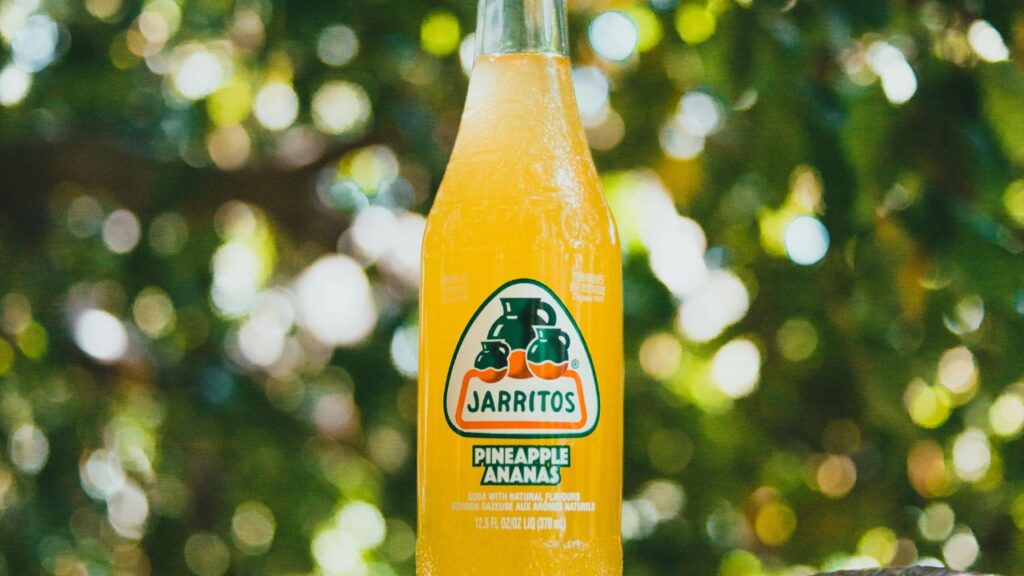
Making Mexican soda uses the same fundamental ideas as soda elsewhere, but usually with particular traditional additions. It begins with filtered water, the basis of any decent fizzy drink. For many traditional brands, the sweetener is vital; this involves melting pure cane sugar into the water to form a syrup foundation. Then this syrup is gently mixed with natural or synthetic flavors and colorings. Consider vivid fruit essences for sodas like mango or tamarind or the intricate spice combinations for cola. More water is then added to this focused combination. After that comes the fizz! Under pressure, the mixture is cooled and carbonated, causing carbon dioxide (CO2) to dissolve into the liquid and produce those reviving bubbles. At last, the soda is quickly packed into sanitized bottles, usually those strong glass returnables, or cans, and sealed right away to lock the carbonation.
Larger brands find this to be a fast automated procedure. Smaller, regional Mexican soda makers may have more hands-on processes, but the fundamental science – syrup, water, taste, carbonation, sealing – stays the same, striving for that ideal, cool sparkle.
More Than Just a Drink: The Cultural Significance of Mexican Soft Drinks
Mexican soda is intertwined into the fabric of daily life and celebration; it is not only refreshment. Packed high at corner shops (“abarrotes”), chilled in ice buckets at street taco booths, offered with home-cooked meals, and always present at parties and fiestas. These are your fizzy basics everywhere. Presenting a cold soda is a kind of hospitality. Specific sodas go great with classic foods: a crisp Lime Jarritos cutting through the richness of carnitas tacos, a Tamarind soda balancing hot tamales, or a Mexican Coke drink with a piece of pizza. Sodas are a must accompanying traditional cuisine for holidays like birthdays or Dia de Los Muertos. Local brands like Sidral Mundet or Jarritos arouse a sense of regional pride and nostalgia.
One typical background noise is the different sound of the glass bottle opener. They are a cheap daily delight and a cheerful friend. Mexican soft drinks are more than just drinks because of their great integration; they are familiar, consoling reminders of Mexican culture and shared memories.
Mexican Soda vs. Typical Soda
| Feature | Mexican Soda 🥤🇲🇽 | Typical Soda 🥤🌎 | Why It Matters |
| Sweetener | Pure cane sugar (“azúcar”) | Often high-fructose corn syrup (HFCS) | Cleaner taste: Less syrupy, no cloying aftertaste. Feels brighter! |
| Flavors | Bold & fruity! Tamarind, Hibiscus, Guava, Lime | Mostly cola, lemon-lime, orange | Adventure in a bottle: Authentic tropical tastes you won’t find elsewhere. |
| Packaging | Iconic glass bottles (often returnable) | Mostly cans/plastic bottles | Sensory experience: Colder drink, pure flavor (no plastic taste), nostalgic feel. |
| Fizz Level | Lively, sharp bubbles (especially in glass) | Often softer carbonation | More refreshing: That tingly punch cuts through rich/spicy food perfectly. |
| Cultural Role | Everyday staple & fiesta essential (paired with tacos, tamales, celebrations) | Mostly just a beverage | More than a drink: It’s hospitality, tradition, and a flavor companion. |
| Brand Heroes | Jarritos, Sidral Mundet, Sangría Señorial + Mexican Coke/Pepsi | Global giants dominate | Local love: Unique regional flavors and proud Mexican brands shine. |
Conclusion
Beyond simple thirst-quenching, Mexican soda provides a special and delicious effervescent sensation. The crisp sweetness of cane sugar defines this vivid universe; the lively fizz frequently caught in antique glass bottles; and there is an explosion of real fruit tastes nowhere else. From the worldwide sensation of Mexican Coke to the renowned local heroes like Jarritos, Sidral Mundet, and Sangría Señorial, every drink tastes of custom and cultural celebration. These sodas create a fiesta out of a basic supper by miraculously matching with food. Although awareness of intake is important because of their sugar level, occasionally savoring a cool Mexican soft drink is just fun.
The perfect accompaniment to spicy tacos, the vivid lime blast on a hot day is the pleasant clink of a returned bottle. So the next time you see those vibrant labels, grab one, pop it open (maybe with an opener!), and taste the very wonderful, effervescent energy of Mexico. ¡Salud!
FAQ’s
1. Why does Mexican soda taste different?
Using pure cane sugar rather than corn syrup, Mexican sodas have a cleaner, sharper sweetness. They also usually have stronger, more real fruit tastes and brighter fizz.
2. What’s the big deal about Mexican Coke?
Made with cane sugar—not corn syrup as used in the US—Mexicoke, or Mexican Coke, is well-known because often enjoying it in antique glass bottles, fans appreciate its smoother, less syrupy flavor.
3. What are some popular Mexican soda brands besides Coke?
Try Jarritos (various fruit flavors including Lime and Tamarind!), Sidral Mundet (shining apple), Sangría Señorial (fruity sangria), and Boing! (strong mango/guava).
4. What food goes best with Mexican soda?
Mexican sodas blend nicely with your meal! When eating tacos, opt for Lime Flavored Jarritos, a Tamarind flavored soda goes well with spicy meals and tamales or Mexican Coke pairs nicely with a bowl of pozole.
5. How can I tell if I’m buying authentic Mexican soda?
Be sure to find a product that comes with the “Hecho en México” marking (Made in Mexico). Be sure that azúcar (sugar) is a part of the ingredients when you buy Mexican Coke/Pepsi. You would be luckiest to look for Tianguis items in a tienda or at the goods brought in from other countries.