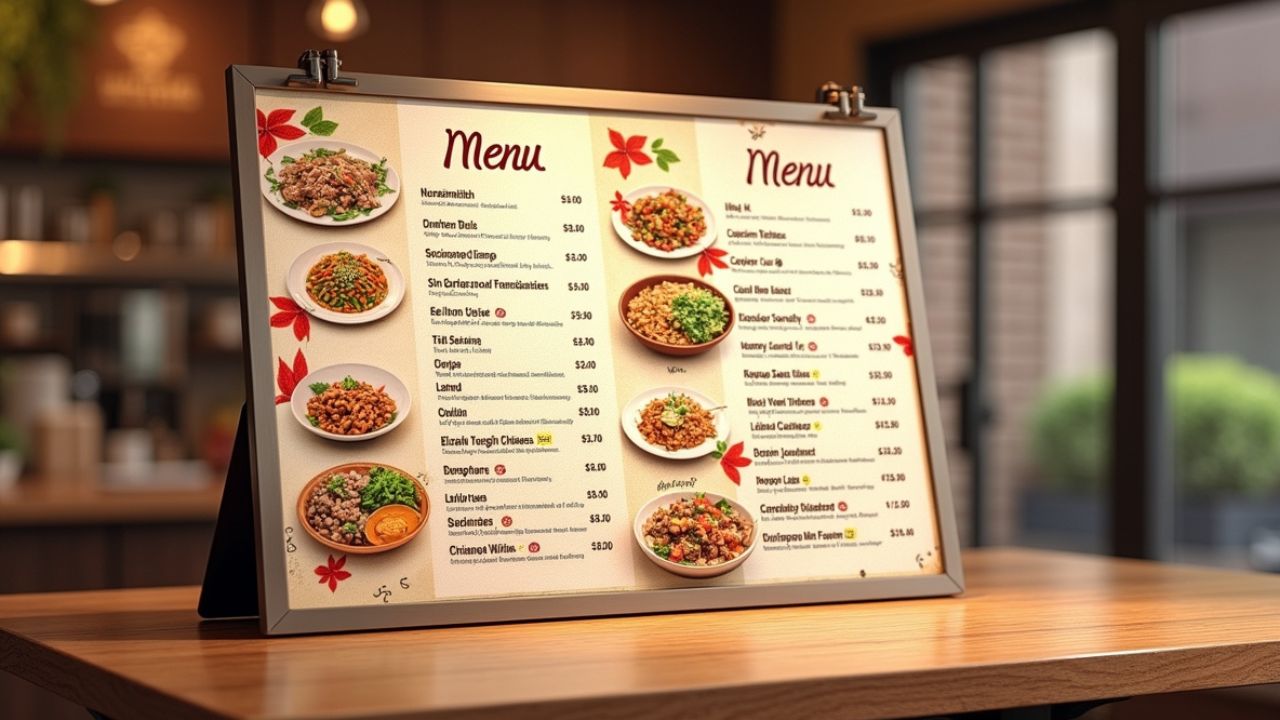
A Hunan Wok menu offers the ideal balance of heat and umami if you’re hankering after strong tastes and real Chinese food. Focusing on the hot, fragrant cuisine from China’s Hunan province, this restaurant approach combines tender meats, fresh veggies, and delectable sauces that entices customers back for more. Examining a Hunan Wok menu is a journey for your taste sensations whether your taste preferences are for spices or merely something different. This book will lead you through everything you need to know before ordering, from traditional favorites like Kung Pao Chicken to less-known but fantastic meals.
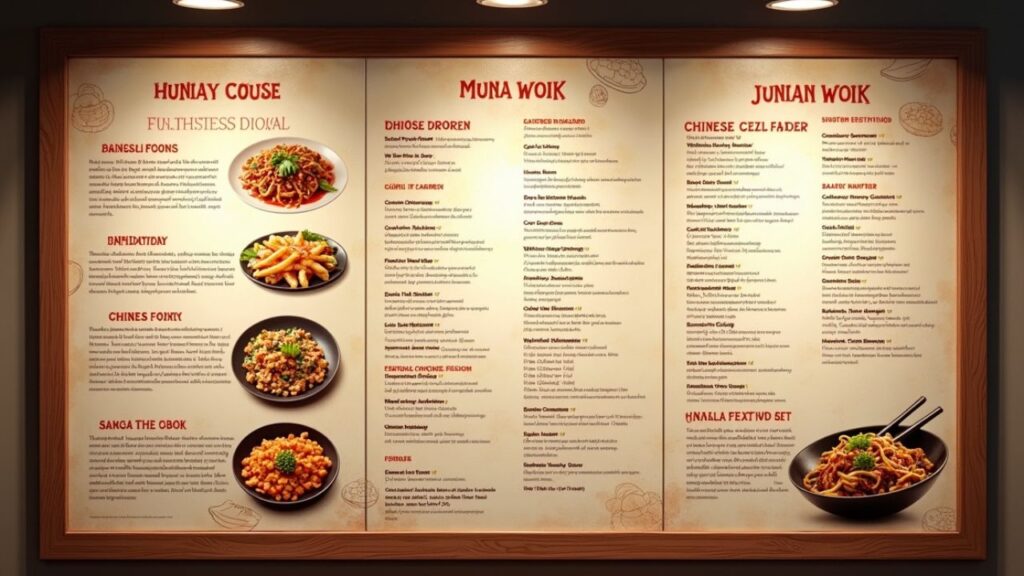
What Makes Hunan Wok Different from Other Chinese Cuisines?
Unlike the mild, sweet tastes connected with Szechuan as well as Cantonese cuisines, Hunan food is renowned for being spicy and fragrant. Using fermented foods—particularly ginger and chiles—which produce a unique flavor sensation that is specifically their own sets, Hunanese cooking is different. Among regional cuisines, Hunan cuisine is special as fried frying preserves the inherent tastes of meats and vegetables. Hunan Wok is well-known for its black beans, quantity of smoked foods, steamed and held meats. Hunan cuisine is a terrific option for meals bursting in taste and vitality.
Must-Try Appetizers on a Hunan Wok Menu
Start with some must-have appetisers that define the flavor of the dinner before delving into the major dishes. Tossing crisp cucumbers in chile oil and garlic, spicy cucumber salad is a cool yet hot starter. Steamed or fried, pork dumplings (Siu Mai) offer a delicious filling with a trace of ginger. Try smoked hunan bacon, thinly sliced with a strong, salted-sweet taste, for something unusual. Hot & Sour Soup warms you with its spicy, peppery broth; Crispy Spring Rolls stuffed with veggies or shrimp provide a pleasing crunch. These basics are ideal for sharing (or saving all to yourself).
Signature Entrees You’ll Find on a Hunan Wok Menu
A Hunan Wok menu features some rather fascinating foods. In Hunan cuisine, you will find delicate beef chunks seasoned with brown sauce, onions and peppers. Though technically rather than from Hunan, the initial General Tso’s Chicken recipe usually calls for more spiciness and less sweet taste. Among vegans, blasting beans with greens in the wok with pork products and chili paste is a favorite meal. Named for Chairman Mao’s region of origin, Mao’s Braised Pork is well-known for its wonderfully seasoned pork belly in a wholesome sauce. If you enjoy seafood, Hunan-Style Whole Fish, saturated in strong tastes from chopped chili peppers and onions, is worth trying.
Signature Dishes to Try
Hunan Wok’s signature dishes showcase authentic Hainanese cuisine. The finely sliced meat, crisp veggies, and spicy sauce make the Hunan meat stand out. Peanuts, vegetables and a spicy sauce combine in this dish. Anyone who loves seafood will find the Spicy Fish Fillet irresistible. The taste comes from fresh fish and a wonderful chili dip. Every taste is a note of pleasure because the dishes are beautifully designed.
Noodles & Rice Dishes That Complete the Meal
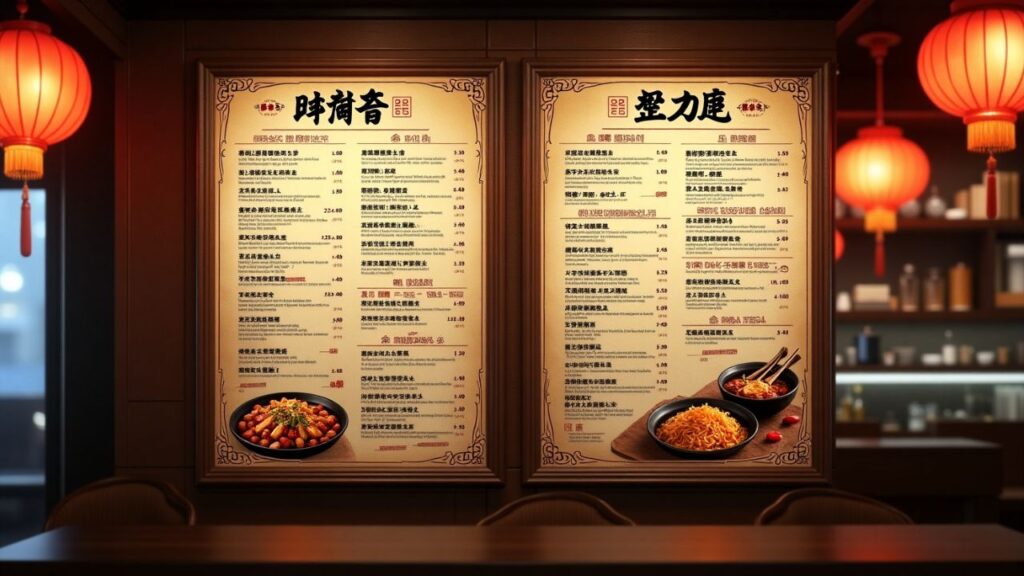
No Hunan Wok menu would be complete without a variety of noodle and rice dishes. The spice in Hunan Dan Dan Noodles comes from ground pork, chili oil and crunchy peanuts. By adding meat, bean sprouts and black soy sauce, Chow Fun (Stir- Fried Flat Rice Noodles) remains simple and delicious. Yangzhou Fried Rice includes a blend of eggs, ham and prawns. The chewy Hunan Rice Cakes can absorb rich sauces quite gracefully for a truly unique dish. Depending on your taste, your side dishes will provide you with either soft or crispy options.
Popular Appetizers on the Hunan Wok Menu
Enjoying Hunan cooking should begin by sampling their appetisers from the Wok menu. You may see Chinese dishes like crispy spring rolls which feature a rich mixture of vegetables and, sometimes, meat. The wontons dipped in sour chili sauce are a big hit with anyone who visits it. Steaming some dumplings, packed with meat or veggies, could make a nice beginning to your meal. They help to create excitement about the main meal.
How to Customize Your Order for Maximum Flavor
The degree of adaptation of a Hunan Wok menu is among its greatest features. Ask for “extra hot”—many chefs will gladly turn up the chiles if you enjoy spice. Not fond of heat? Ask for “mild” or switch sauces (black bean instead of chili). Most meals allow vegetarians to substitute tofu for meat; gluten-free diners should inquire about soy sauce substitutes. For everyone to taste many courses, order family-style. To temper the heat, perhaps consider matching your dinner with jasmine tea or a cool lager.
Why Hunan Wok Takeout is the Perfect Weeknight Dinner Solution
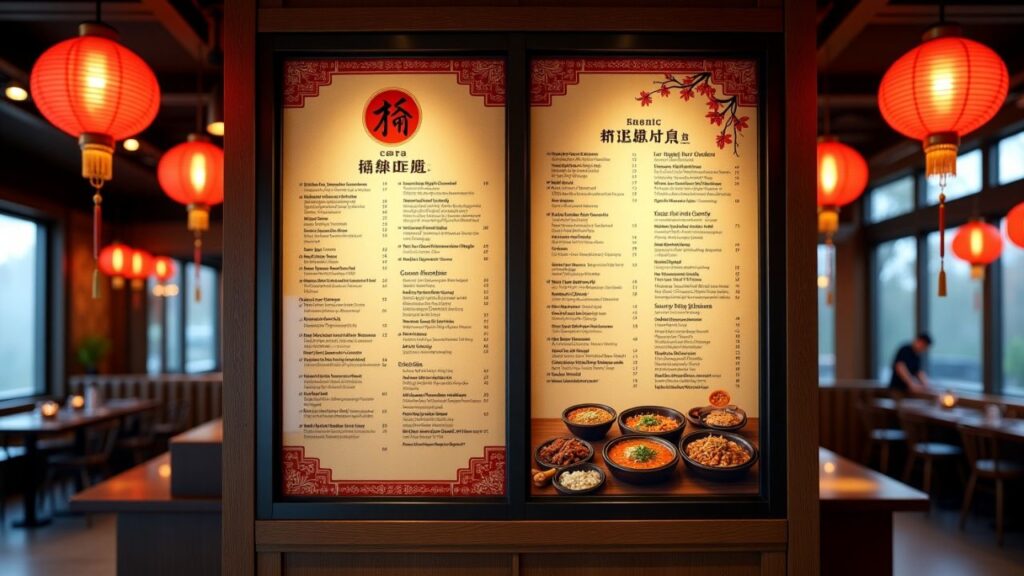
Busy evenings call for fast, savory dinners, and Hunan Wok takeaway offers just that. Since most foods are done in 10 to 15 minutes, it is quicker than home cooking. The strong tastes imply leftovers, if any taste just as wonderfully warmed. Plus, you get a whole supper without all the work with combo meals including rice and a side. Whether you’re dining for a family or just yourself, a Hunan Wok meal is the solution for zero effort restaurant-quality cuisine.
Hunan Wok vs. Other Chinese Takeout
| Feature | Hunan Wok 🔥 | Typical American-Chinese Takeout 🥡 |
| Heat Level | Bold, upfront chili heat that builds slowly | Often milder with sweet-glazed sauces |
| Key Flavors | Garlic, fermented beans, smoky peppers | Soy sauce, cornstarch-thickened sauces |
| Protein Prep | Quick-wokked to stay juicy with charred edges | Often deep-fried then sauced (think orange chicken) |
| Veggie Game | Crisp-tender veggies that stay bright and fresh | Usually softer, sauce-coated vegetables |
| Signature Dish | Mao’s Braised Pork (rich, fatty, spicy) | General Tso’s Chicken (crispy, sweet-tangy) |
| Leftover Magic | Actually gets better next day as flavors meld | Sauces can make items soggy when reheated |
Why Your Next Takeout Should Be Hunan Wok
To be honest, most Chinese takeaway menus begin to mix together eventually. Hunan Wok alters the game in this regard. Hunan cuisine offers actual personality in every mouth, unlike the uniform sweet-and-sour or greasy-fried norms.
Here’s why it’s worth switching up your usual order:
🌶️ The spice actually has purpose – not just heat for heat’s sake, but layers of garlic, smoke, and umami
🥬 Veggies that still have crunch – no mushy broccoli here, just vibrant, wok-kissed texture
🍚 Sauces that cling perfectly – none of that gloppy cornstarch separation you get with cheap takeout
🔥 Leftovers that improve overnight – the flavors deepen instead of turning sad and soggy
If you’re tired of boring, one-note takeout, Hunan Wok is your flavor rescue. It’s the difference between eating and experiencing – your tastebuds will notice immediately. Pro tip: Order extra napkins (for the spice sweats) and thank us later!
Final Thoughts
You are missing some of the most vivid, delicious meals in Chinese cookery if you have not yet sampled Hunan food. Perfect balance of heat, smokies, and delicious depth—ideal for anybody bored with boring takeout—a Hunan Wok menu provides There is something for every taste from spicy meals and soothing noodles to crunchy appetisers. So the next time you’re browsing delivery apps or walking by a Hunan restaurant, grab hold. Your taste receptors will be in thanks.
FAQ’s
1. How spicy is Hunan food compared to Szechuan?
Hunan spices are stronger than Sichuan chillies; fresh jalapeño are used straight to get heat in Hunan cookery.
2. What’s the best dish for first-timers?
Try Hunan Beef; the meat is tender and the chili provides just the correct level of spice without overwhelming effect.
3. Can I get milder versions of spicy dishes?
Absolutely! Just ask for “mild” – most kitchens will adjust the heat level.
4. Are there good vegetarian options?
Yes! Dry-Fried Green Beans (ask without pork) and Ma Po Tofu are delicious meat-free picks.
5. How does takeout hold up compared to dining in?
Great! The wok flavors travel well – just reheat noodles/stir-fries briefly to revive the texture.