
Cheese aficionados are always searching for something fresh and interesting, and Grouse Cheese is causing stir in the food industry. Anyone trying to broaden their palette should definitely try this handcrafted cheese, which is renowned for its strong taste and unusual techniques of manufacture. We shall explore in great detail in this post what makes Grouse Cheese unique, how it is produced, and why it should find a place in your refrigerator. Let’s investigate this mouthwatering find together.
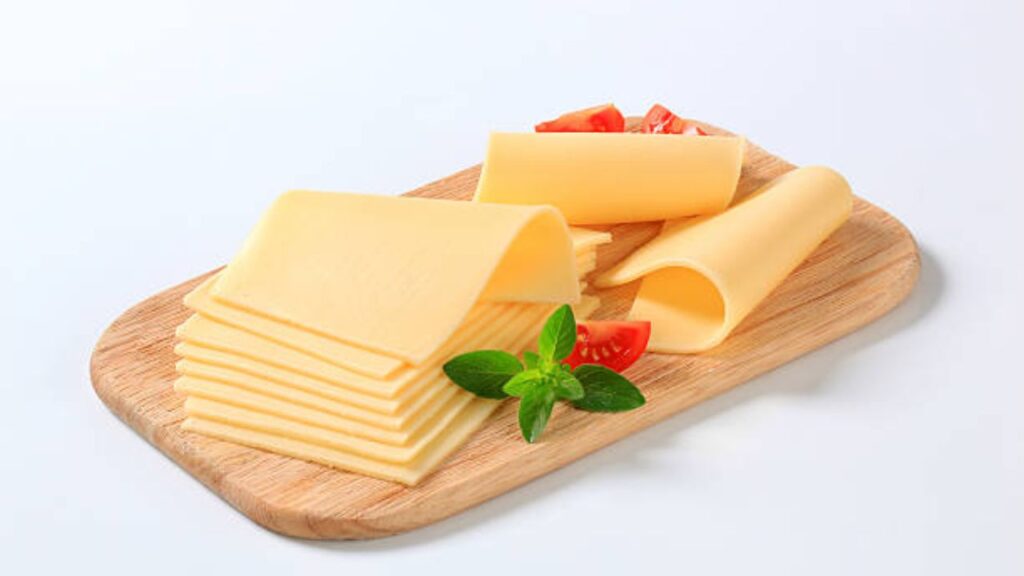
What Is Grouse Cheese?
Specialty cheese made with great care and sometimes utilizing age-old techniques passed down through generations is Cheese. This variation stands out for its earthy, nutty tastes and creamy texture unlike mass-produced cheeses. The term “Grouse” may derive from the area of production, the kind of milk used, or even a family recipe connected with the word. That this cheese provides a unique flavor sensation is certain. It goes wonderfully with fruits like apples and pears and tastes strongly enough for cooked food. Grouse Cheese elevates each meal, regardless of your level of enthusiasm for cheese boards or your own cooking.
The History Behind Grouse Cheese
Like every excellent cheese, Grouse Cheese has a backstory. Its roots are in little farms in rural areas when dairy producers experimented with unusual additives and aging methods. While some claim the cheese received its name from the grouse birds that wander the fields close to the dairy farms, others think it relates to the “grousing” (or grinding) of spices included during manufacturing. Rich taste and adaptability let this cheese develop a devoted following over time. Celebrated in gourmet circles today, it nonetheless honors its modest origins by small-batch manufacturing.
How Grouse Cheese Is Made
Making Grouse Cheese requires a combination of science and art. It begins with premium milk—often from sheep, goats, or grass-fed cows—that is gently cooked and blended with natural cultures. Curdle the milk with rennet to create pressed-into molds curds. After then, the cheese ages for weeks or months to acquire its distinctive taste. For additional complexity, some producers toss herbs, spices, or even a little of local wine. That yields a cheese completely unforgettable, creamy, sophisticated. Every stage’s meticulous approach guarantees Grouse Cheese’s uniqueness among the others.
Why Grouse Cheese Tastes So Unique
The way Cheese balances tastes and textures distinguishes it. Natural enzymes breaking down proteins and fats during the aging process gives buttery smoothness with a faint tang. The recipe will determine whether you find hints of fresh herbs, toasted nuts, or caramel. Often edible, its peel provides a rustic crunch that accentuates the soft inside quite nicely. This cheese is an experience rather than only delicious. Foodies that value authenticity will find this favorite since every mouthful reveals a narrative of workmanship.

Pairing Grouse Cheese with Food and Drinks
When combined sensibly, Grouse Cheese excels. Try a basic snack using sliced figs, honey, as well as crusty bread. If you have someone coming over for dinner, heat it to create creamy dishes or top roasted vegetables. Wine drinkers could pair it with a clear white like Chardonnay or a powerful red like Cabernet Sauvignon. A non-alcoholic alternative is apple cider or herbal tea. The secret is to counter its richness with sweet, acidic, or fresh accompaniments. Try to identify your ideal match.
Health Benefits of Grouse Cheese
Grouse Cheese contains a nutritious power, much as most cheeses do. It provides excellent calcium, protein, and vitamins including B12. Moderate intake can help muscles to function and bones to be healthy. Furthermore included in the fermenting process are probiotics, which support intestinal function. Of course, it is still cheese; thus, eat it in moderation! If you are watching your salt or saturated fat intake, go for fewer amounts. Older Cheese kinds might be simpler for people with lactose sensitivity to break down.
Where to Buy Authentic Grouse Cheese
Finding actual Grouse Cheese can be an interesting trip. Start by looking at neighborhood markets or specialized cheese stores, where vendors may relate tales about their offerings. Although online stores have a large assortment, check quality by reading reviews. Search for brands stressing regional authenticity, organic ingredients, or small-batch manufacturing. If you happen to live close to a dairy farm, find out whether they provide direct-to–consumer sales. Remember, freshness counts; buy just what you will use within a few weeks for optimal flavor.
Grouse Cheese in Modern Recipes
Not only for charcuterie boards is this cheese perfect. Cheese will improve regular meals. For a gourmet breakfast, try it in omelets; else, toss it into the potatoes for added richness. Stuff fungi with Cheese and herbs first, then bake for a fast appetiser. While meaties might appreciate it in a sandwich made with grilled cheese with bacon, vegetarians can crumble it over salads. For sauces, too, its meltability makes it ideal. Get imaginative; this cheese is as flexible as it is good.
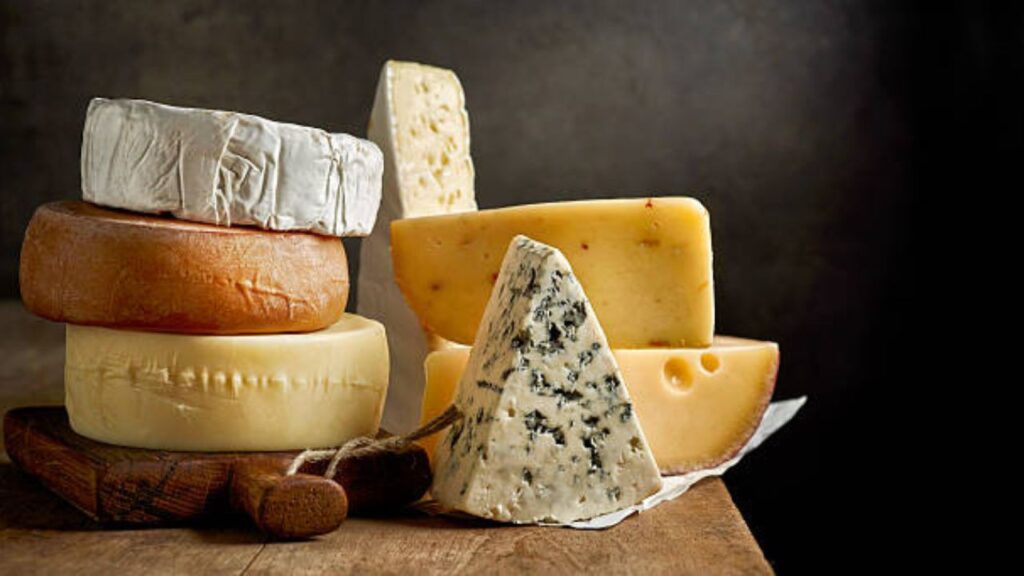
Sustainability and Cheese Production
Many Grouse Cheese makers give environmental principles top importance. To keep good soil and lower their carbon footprint, small farms can employ rotational grazing. A byproduct of cheesemaking, whey is even used as animal feed or fertilizer. Selecting locally produced Cheese helps to lower food miles and support sustainable development. Search for companies that stress organic farming and animal welfare; this will help the earth and your taste receptors!
The Future of Grouse Cheese
Cheese is destined to become well-known as demand for handcrafted delicacies rises. To draw daring consumers, cheesemakers are experimenting with novel tastes such as smoked or truffle-infused versions. Others are concentrating on vegan models employing nut-based milks. Social media has also been a factor in its appeal since food influencers highlight imaginative approaches to enjoy it. Cheese is here to stay, combining innovation with legacy in every mouthful.
Grouse Cheese vs. Other Cheeses
| Feature | Grouse Cheese | Common Cheeses (e.g., Cheddar, Brie) |
| Flavor & Texture | Earthy, nutty, creamy with a tangy finish. | Often milder, uniform taste (e.g., buttery Brie). |
| Production | Small-batch, handcrafted, aged with care. | Mass-produced, faster aging for quick turnover. |
| Ingredients | Grass-fed milk, natural cultures, no additives. | May include preservatives or artificial flavors. |
| Versatility | Bold enough for cooking, elegant for cheese boards. | Often limited to specific uses (e.g., melting). |
| Sustainability | Eco-friendly farms, minimal waste practices. | Large-scale production, higher carbon footprint. |
| Availability | Found in specialty stores or farmers’ markets. | Available everywhere (supermarkets, etc.). |
Final Thoughts
Grouse Cheese celebrates taste, history, and workmanship rather than only being food. This unusual range has something for everyone regardless of your level of cheese expertise or curiosity as a novice. Discovering this culinary gem is worth it from its great taste to its adaptability in recipes. So go to your closest specialty store, pick a wedge, and become one of the increasing Grouse Cheese enthusiasts. Your taste receptors will appreciate you.
FAQ’s
1. What makes Grouse Cheese unique?
Made using conventional small-batch techniques, Grouse Cheese is unique in taste and texture—rich, earthy. Mass-made cheeses lack the unique taste provided by its aging process and sporadic additives like herbs or wine.
2. Why is it called “Grouse Cheese”?
Its place of origin, local complaints about birds, or the word “grousing”—that is, grinding spices during manufacture—probably have bearing on the name. Its rustic appeal stems from rural farming customs that define its past.
3. What foods pair well with Grouse Cheese?
Experiment with apples, pears, honey from bees crusty bread, or robust wines like Cabernet Sauvignon or Merlot. It also melts wonderfully in meals including grilled cheese sandwiches, omers, and risotto.
4. Is Grouse Cheese healthy?
In small amounts, yes! Rich in probiotics, amino acids, and calcium, it also has For those with lactose sensitivity, aged versions could be more easily broken down. Just pay attention to portion proportions considering fat and sodium content.
5. Where can I buy Cheese?
Look for it at specialized cheese stores, farmers’ markets, or internet merchants. Choose brands for finest quality that reference organic methods or small-batch manufacturing.