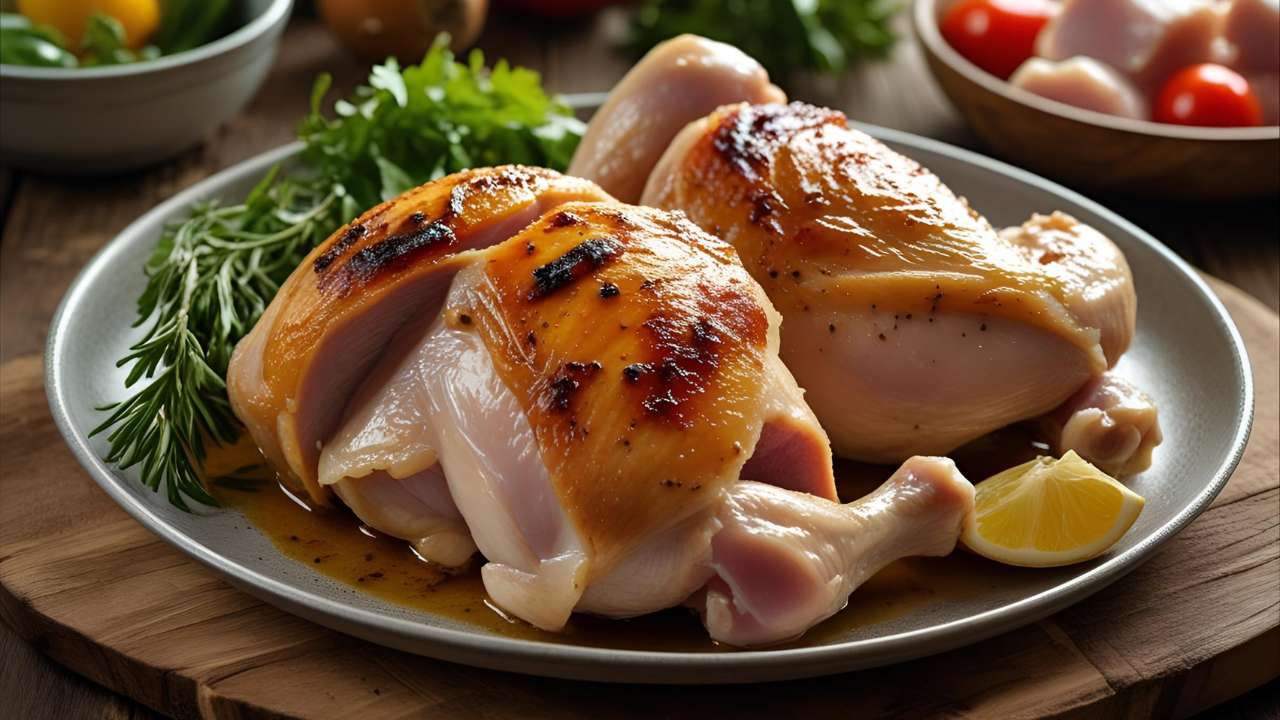
Chicken backs are what they are–the backbone of the chicken, the bone in which you find bits of meat, and skin, and sometimes the neck pieces are still dangling or hanging. They are usually discarded when chickens are processed as cut-up chicken in the form of breasts, thighs, or wings, hence it is a cheaper leftover part. That should not be a reason to get discouraged though. These small bites offer large possibilities of great flavors.
They may be purchased in bundles at butcher shops or ethnic markets or even the common grocery store–and as cheap as dollars a pound occasionally. Chicken backs are Cube-shaped and therefore look different when compared to plump pieces of chicken like the drumstick since the latter ones are bony and have less meat but, on the other hand, they possess more force in terms of collagen-rich bones and connective tissues.
Think of them as the unsung heroes of thick soups and hulking stews and see how with two or three hours and a little bit of creativity they can make use of scrap into gold.
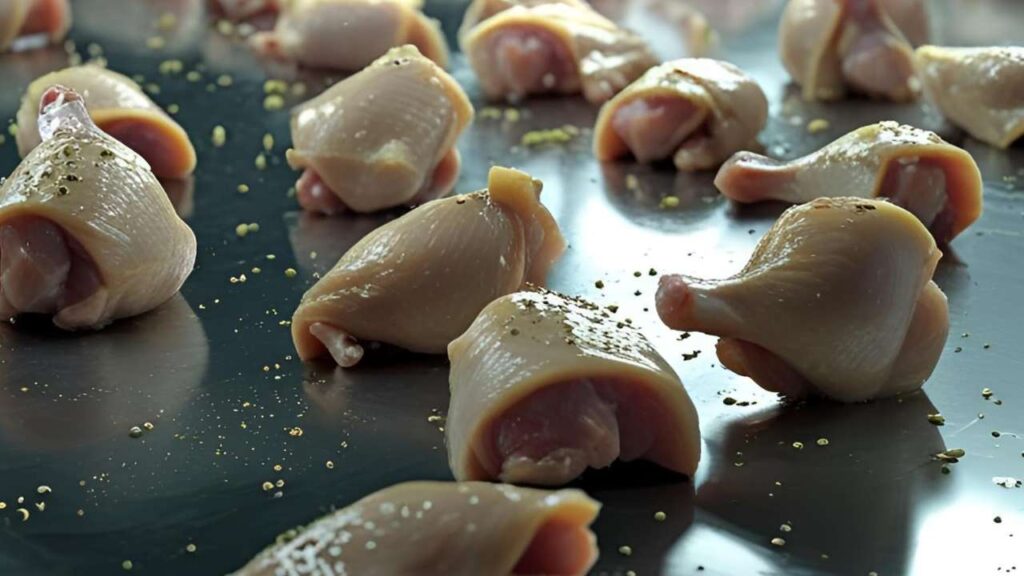
Chicken Backs Nutrition Facts
When it comes to nutritional value, chicken backs are a steal. They contain abundant quality protein- essential in repair and energy of the muscles and also minerals like calcium, phosphorus and magnesium, present in their bones. When simmered, they will yield collagen, which in turn becomes more digestible and healthier to joints in the form of gelatin. They also provide minute amounts of zinc and B-vitamins. There is a small amount of fat in them (largely skin), which can easily be skimed off after cooking. To take an example, chicken broth is manufactured with parts of chicken backs and has no more than 30-50 calories, although it contains 6-10g of proteins. It is not only nutrient dense and cheap, in addition, it can be utilized easily to add volume to any dish without empty calories!
Cooking Chicken Backs Easily
And there is no simpler method of converting (or should we say magical kitchen power) chicken backs! Wash them in cold water. Broth: Chuck 2 to 3 lbs in a pot in veggies (carrots, onions, celery) add water and stew 4 to 6 hrs. Strain it-you have got liquid gold! To deep roast and simmer in 400 o F (200 o C) golden 30 min then simmer. To use the meat: pressure cook 25 min on tender and pick off the tiny bits and toss into soups, or tacos or pet food. Even easier? Place frozen backs to a slow cooker with herbs. Anybody does not need to fancy doing all this; they need to be patient. Top secret: Add a little vinegar to simmer in order to release more minerals in bone!
Storing Chicken Backs Safely
to preserve freshness of chicken backs by putting them to store as soon as they have been purchased. It can be kept in sealed containers in the refrigerator for up to 2 days, or frozen up to 6 months. To freeze: Cut into pieces (e.g. 2 backs per bag) squeeze out air and date. Firmly thaw in a sack in the refrigerator overnight-never on counter tops! Cooked backs or broth have a shelf life of 4 days in the fridge, or 3 months in the freezer. Broth may also be ice-cubed when fast usage is required. Reheat to 165degF (74degC) always. Smelling off odours or slime? Toss them. You will be able to save money on food as well as minimize wastage with ideal food hygiene.
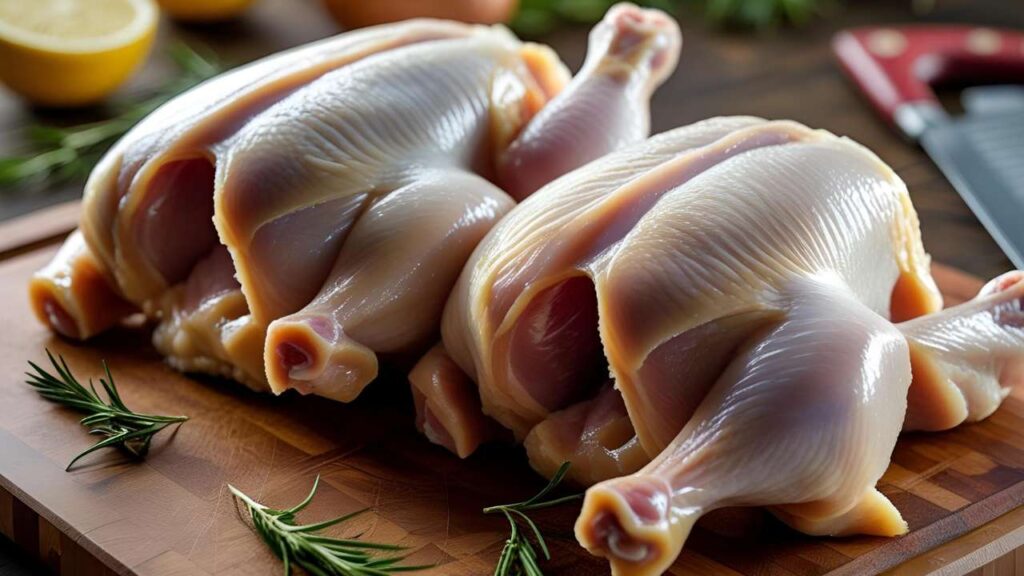
Broth from Chicken Backs
It is a game changer to create chicken backs into broth. They have a lot of bone to meat ratio which ensures strong flavor and meat without too much fat. In a food processor mix 3 lbs backs, 12 cups water, 2 tbsp of apple cider vinegar, 1 onion, chopped, 2 celery, and carrot. Cook lightly (no boiling!) 6 to 12 hours. Strain, cool and skim fat. The result? A smooth, nutrient dense foundation to risottos, gravies, or even to use as a sipping beverage. In contrast to store-bought broth, backs are richer in collagen with 50 percent more collagen in back homemade broth and zero additives. To have convenient fast dinners, freeze in jars (make headspace!), or condense into a highly concentrated bone broth glazing type of situation to add to sauces.
Affordable Protein Source
Among protein sources, chicken backs are among the most affordable, costing between $1 and $3 per pound. You may use it as a meat substitute in rice and casseroles, or it can make three or more meals from a single pack. Here is a breakdown of how much boneless chicken breast costs in comparison to backs: Although boneless chicken breasts may be expensive (ranging from $500 to $800/lb), you can get the same amount of protein per serving from backs for far less money. Even though they’re on a tight budget, they make do with home-cooked meals like bean stew, pork in pasta sauce, or vegetable soup. Even eateries rely on backs as a supply of inventory to save expenses. In the long run, it’s a smart and inexpensive choice that turns waste into nourishment without sacrificing taste or budget.
Dog Food Perks
Chicken backs may be healthy additions to dogs- used safely. Raw feeders take them to use as a source of calcium (never leave pets unsupervised!). To prep cooked: simmer backs, pull bones (cooked bones fracture!), cut meat and mash with broth off kibble. Always cooked bones are to be avoided! The soup either by itself makes a good hydrator or an excellent place to hide meds. Major advantages: Glucosamine in the joints, protein as an energy source and psychological stimulation through chewing (when raw). Talk to your vet first, particularly in puppies, or dogs with some physical condition. Expensive commercial supplements will be beaten by a pack of backs costing only $2 that can be used to make weeks worth of toppers!
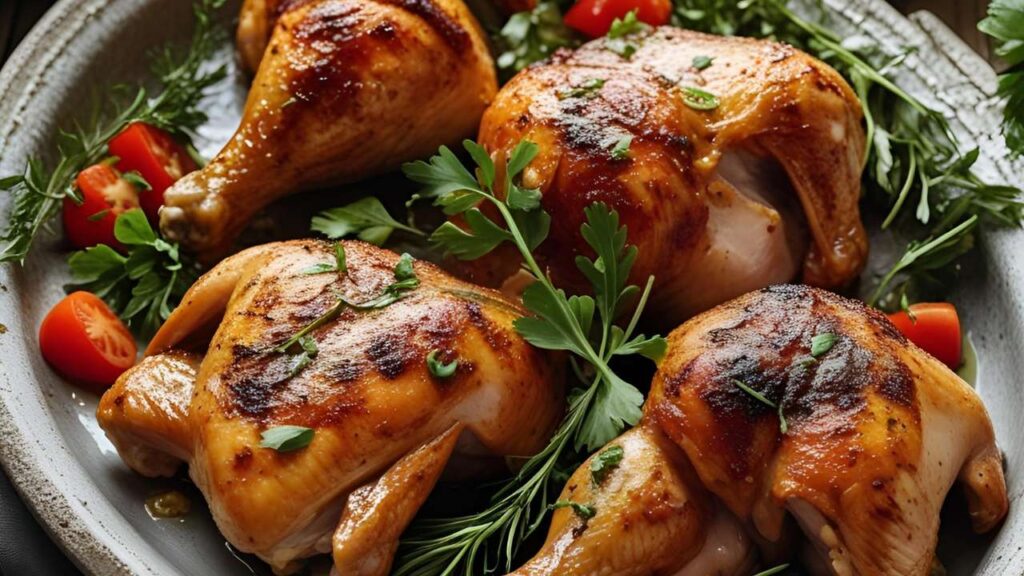
Sustainable Cooking Choice
Even the use of chicken backs is anti-wastefulness genius. More than 8 billion chickens are processed annually in the U.S. alone-you could only imagine the backs tossed! Selecting them, you encourage nose-to-tail eating, decreasing the impact on landfill. They are also energy-saving: One batch of broth substitutes for a number of canned products. Combine them with wilting veg to make no-waste soups. Backs may be sold cheaply in farmers markets as butchers could not sell it very quickly. It is a minor move with huge knocks on: reduction in waste, reduced carbon footprint, and increased conscious consumption. And you also save money-win win!
Chicken Backs vs. Other Chicken Cuts
| Feature | Chicken Backs 🦴💥 | Whole Chicken 🐔 | Boneless Breast 🍗 | Store-Bought Broth 🥫 |
| Cost | SUPER Cheap! ($1-$3/lb) Your budget’s BFF | Moderate ($3-$5/lb) | Pricey ($5-$8/lb) | Adds up fast per carton |
| Flavor Power | Broth Boss! Deep, rich, collagen-packed gold | Good overall flavor | Lean & mild | Often flat or salty |
| Nutrition | Collagen King! Joint-friendly gelatin, minerals | Balanced nutrients | High protein, low fat | Low nutrients, additives |
| Convenience | Set & forget! Simmer for broth or freeze raw | Needs carving/cooking | Quick cook | Instant but bland |
| Waste Fight | Eco Hero! Uses “scrap” parts ♻️ | Standard use | Standard use | More packaging waste |
| Pet Friendly | Dogs love it! (Meat/broth safe) 🐶❤️ | Bones risky for pets | Safe but plain | Often has onion/garlic (unsafe) |
Conclusion
Chicken backs are the best kitchen underdogs- they are cheap, healthy, and environmentally friendly. Homespun soul-warming broths to brilliant pet meals and they show that scraps can be stars. Open-heart their possibility: Purchase a bag, cook them low-and-slow, and experience the result. Overnight you will be opened up to richer flavours, healthier meals, and smarter spending. Let’s get going? Your wallet (and soup pot will be appreciated!)
FAQ’s
1. What exactly are chicken backs?
Chicken backs refer to the bony portion of the back of the chicken usually sold with some attached meat, skin or neck pieces as well. They are taken out when chickens are dissected into common carcasses such as breasts or thighs.
2. Are chicken backs really cheap?
Yes! Chicken back is considered one of the cheapest cuts, where on average it can cost up to 1 dol. to 3 dollars per pound. They are also highly valuable to prepare a broth or improve the flavor and nutritious content of meals.
3. What’s the easiest way to cook chicken backs?
Simmer:They can be simmered in preparations as simple as broth: simply cover with water, add some basic vegetables (such as onion, carrot, celery), and cook over low to moderate heat, often 4-12 hours. They can as well be roasted first to achieve better flavors.
4. How long can I keep chicken backs?
Raw backs can be refrigerated for 2 days. To store longer, place in freezing bags, airtight and freeze for up to 6 months. In the refrigerator, cooked broth keeps 4 days and 3 months frozen.
5. Can I give chicken backs to my dog?
Healthy topping of dog food can be cooked chicken meat and broth based on backs. Cooked bones of chicken must never be given to dogs because they fracture. Raw backs are sometimes used by raw feeders but never without first consulting with your vet to be safe.