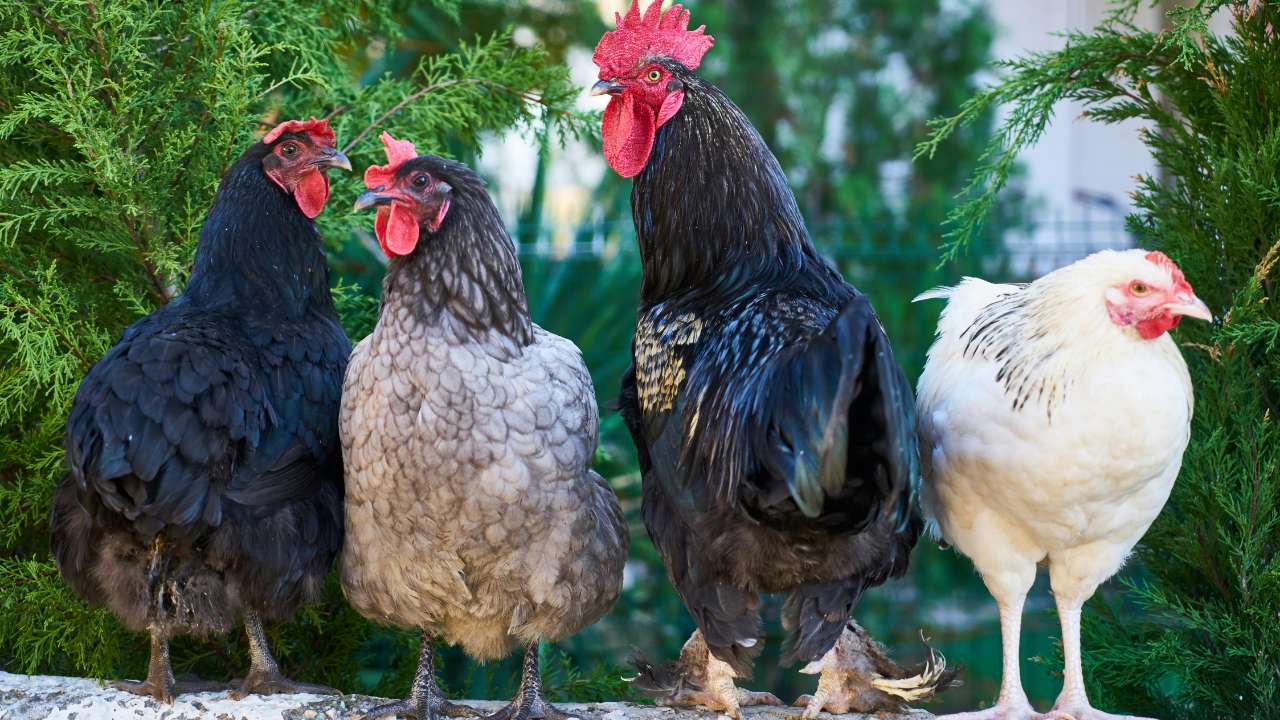
Chicken is a dinner table meal but there are times when you want to have something somewhat different. That is when Blue Star Chicken comes in- a term that is picking up amongst poultry lovers and environmentally-conscious people. Not a flash brand name, new breed, but a label that spells out chicken reared with supreme attention and frequently linked to certify welfare constraints and sound environment. This article examines what makes the Blue Star chicken special, why this is important, and how you can have a good time savouring it.
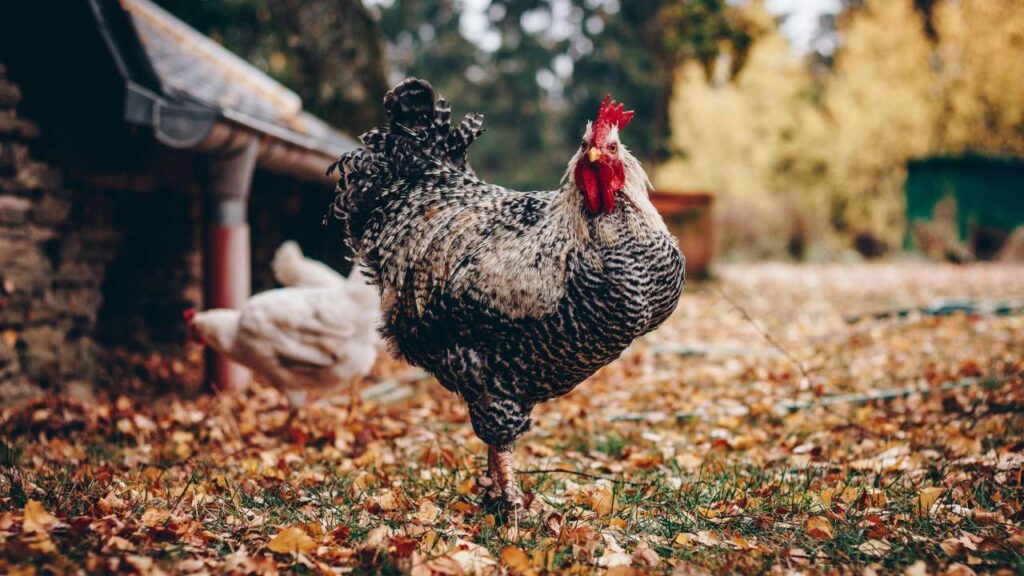
Understanding Blue Star Chicken
What then is Blue Star Chicken? It constitutes a high-quality benchmark in raising chicken instead of a certain type of chicken or chicken breed such as a Rhode Island Red. Farmers who dream of achieving the blue star status care about the welfare of the birds, making them enjoy larger spaces to roam around, flap their wings, and do their own thing. Their diet is typically lacking in the use of needless antibiotics or growth enhancing agents and is skewed towards non-GMO or organic constituents. It should have clean water, the light of nature, and low-stress levels. The symbolism of the blue star concept is the promise of ethical, sustainable production of poultry achieved at the end of which, there are healthier birds and better products.
The Origins of Chicken
The background of the Blue Star Chicken concept is a serious change in the consumer awareness. Smaller, independent farms strengthen their welfare procedures as people tend to be more worried about the origin and animal welfare. They value openness and will usually give tours to the customers or publish information on farming practice. Within these circles, the name Blue Star Chicken became a catchy slogan to imply a devotion to high standards that were exceptional and to flutter between real ethics and the others.
Raising Blue Star Chickens
To raise true Blue Star Chickens, one has to start with commitment. Bird keepers help farmers to give large barns or they need to access pastures considered safe where the birds can feed on insects and plants as they would do in the wild. The populations in stock are maintained at low levels so that there is no overcrowding and stress. Feed matters, the feed is commonly made with locally quoted grains and it is not treated with risky additives. Prevention of health management substitutes common antibiotics, and it is aimed at probiotics and clean housing. This humane method leads to higher quality of meat; with less stressed chicken, they will have a better meat texture and taste. It is more labor-intensive and more expensive; however, the milestones demonstrate a very high degree of respect to both the land and the animals.
Benefits of Blue Star Chicken
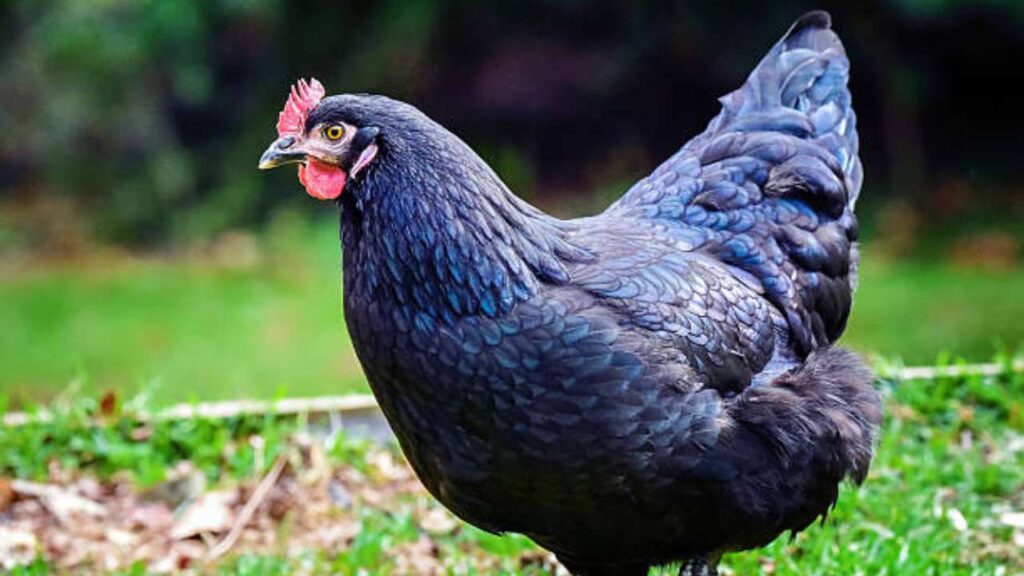
Choosing something like Blue Star Chicken will have concrete advantages other than a clean conscience. To begin with, the flavor and the texture are much better. The gentle increase in size enabled by humane treatment produces finer, more flavorful meat, which has a higher moisture retention capacity when he or she is being cooked. It is nutritionally superior in that it has been found to be richer in many useful omega-3 fatty acids and vitamins than conventionally raised counterparts and even has low saturated fat levels. And you are helping those farmers who practice regenerative farming methods that both optimize soil health and soil biodiversity, combined with reducing antibiotic resistance.
Cooking with Blue Star Chicken
It is easy to get the best of your Star Blue Poultry because of its in-built quality. It can be richer and tastier, that is why the best way to choose is to cook it simply to make the most of it. Avoid overcooking! Simply roasting whole or parts of birds with few herbs, garlic, lemon, and top quality olive oil produces juicy results. Breasts or thighs grilled or pan-seared add divine caramelization and legs braised in a tasty broth turn out so tender they are exquisite. Keep in mind that ethical chicken tends not to provide the water retention that conventional chicken has and therefore may cook a bit more quickly. Take it out when it is 165 170 but at least 165 2C/74 2C internal temperature to be safe. Rest it 5-10 minutes and cut it open to seal those important juices in.
Health Benefits
There are a number of ways in which eating Blue Star Chicken influences your health positively. The meat has a better nutritious value because the birds have a better diet and lifestyle. You normally get more of the important nutrients such as protein, vitamin B, selenium and zinc at higher concentrations. Concentration on source of pasture or systems with high welfare enhances concentration of anti-inflammatory omega-3 fat as well as antioxidants such as vitamin E. Whenever you buy poultry that has not been regularly given antibiotics, you will be less indirectly exposed to these pharmaceuticals, which will promote both your own and social health.
The Future of Poultry Farming
The emergence of such ideas as Blue Star Chicken is a sign that a change in poultry farming is on the way. . Technology facilitates this shift, and there are improved systems protecting the health of desirable living conditions among animals and the environment. Ethically raised poultry The niche markets are steadily increasing in ethically raised poultry. The future probably includes a hetero gynic landscape where big producers adapt the standards of welfare and smaller farms concentrate in Blue Star quality. Innovation of feed efficiency and use of renewable energy in farms will be imperative. Conclusively, the Blue Star ideal of animal welfare, environmental health, and premium quality provides an attractive example of creating a more resilient, ethical food system.
Blue Star Chicken vs. Conventional Chicken
| Feature | Blue Star Chicken | Conventional Chicken |
| Living Space | Plenty of room! Pasture access or spacious barns. | Often crowded indoor sheds with little space. |
| Daily Diet | Top-quality feed (often Non-GMO/Organic). | Standard feed often includes growth promoters. |
| Bird Stress | Low-stress life with calm handling and natural light. | High stress common due to overcrowding and fast growth. |
| Planet Impact | Sustainable focus with rotational grazing and composting. | Higher pollution risk and reliance on transported feed. |
Conclusion
Blue Star Chicken is a promise of better poultry rearing. It signifies excellent animal treatment, eco-consideration and the need to produce chicken which is healthy and tastes better. This begins with extensive, low stress living conditions, concerns about feeding and an all-encompassing approach to the welfare of both the animals and the land itself with every step. Consumers should consider that they can enjoy a delicious meal and support the farmer who is concerned with ethical and sustainable practices. It is not only good, but also humane to animals, our planet and a gateway to a better, more conscious food tomorrow.
FAQs
1. What is Blue Star Chicken?
It is a definition of high standard chicken, concentrating on space, quality food and natural light and low stress as priority on animal welfare and sustainability.
2. Why choose Blue Star Chicken over regular chicken?
You get better tasting, too, more nutritious meat. You’re supporting better animal care and helping with the reduction of antibiotic overuse.
3. How can I find Blue Star Chicken?
Search smaller local farms or brands which specialize in high welfare systems, pasture-raised systems, and sustainability.
4. Does Blue Star Chicken taste different?
Yes! Meat tastes more solid and more flavorful, cooks perfectly with minimal methods / processes and delivers cleaner taste.
5. Is Blue Star Chicken better for the planet?
Generally, yes. It operates in a manner that is sustainable, enriching the produce by increasing soil health and biodiversity, lowering the risk of pollution in comparison with huge industrial farms.