
Watching drinks or folks is neat, like when fizzy bottles give you sneaky, odd stares. Maybe you’re asking, are they the same exact drink? Which has a tangier, or livelier fizz? To get the hang of what sets Prosecco vs apart from Brut is vital to grab a fitting bottle to match your taste and event. This handbook exists to dissolve any doubts simply and kindly. We’re going to dissect each term, where they start, and how they hit your tongue. Whether you’re throwing parties, picking a wine with dinner, or simply wondering, spotting those traits helps pick a sparkling wine you will love. Let’s pop the lid and check out what forms each of those joyous drinks uniquely.
What is Prosecco? A Guide to Italy’s Famous Fizz
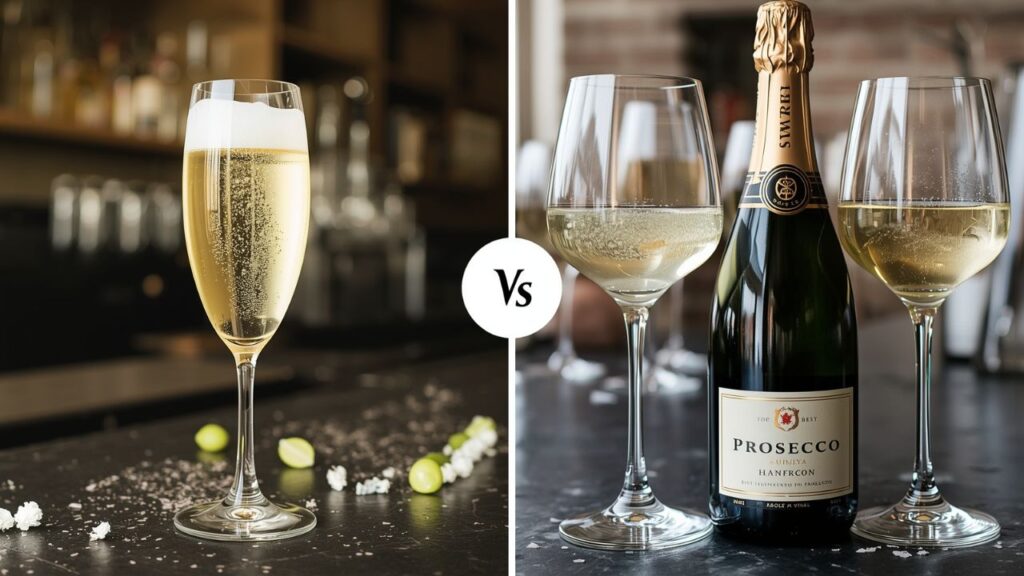
Let’s begin by popping Prosecco, a title you may have noticed during many parties. Prosecco marks a kind of bubbly wine hailing from Italy, mainly out of the Veneto spot. Its past dives into Italy’s northeast, gaining fame across the earth for its smooth, fruity kick. The rise of Prosecco swirls around a green grape called Glera. Wine experts use a trick dubbed the Charmat Way, where a wine goes through a bubbly stage inside a huge, sealed tank and not alone inside each bottle. This way moves fast and helps hold the fresh, sweet grape feels. A Prosecco wine winds up light, having strong bubbles with tastes that might remind many of green apple, pear, fresh cream, and honeydew. You’ll see different grades, such as Prosecco DOC out of a wide place, or even top-notch Prosecco Superiore DOCG out of hilly spots, known to feel fuller.
What is Brut? Decoding the Sparkling Wine Label
Now, let’s pop into Brut. Unlike Prosecco, Brut isn’t a wine yet paints the sweetness grade of a bubbly wine. “Brut” stands as French for “dry,” and among wines, it paints that the wine holds low sugar, making its flavor not sweet. This word sprang from the Champagne lands of France but gets used globally for labels on bubbly wines, like some Proseccos. Wines marked Brut get made anywhere by grapes. They are made by the Classic Way, where the bubbly stage happens inside the bottle you grab, forming smooth, lasting fizz and smells like brioche. Though, experts might use ways too. Wine feels chill with its sharp zap, like fresh green bites in new ones, or stale bread.
Key Differences Between Prosecco and Brut
A funny line joins them when both hang, like they share secrets in a small, odd space. Prosecco hails from Italy, a singular star, while Brut whispers of a dryness felt, not a place. First, grapes: Prosecco sips solely from Glera’s vine, Brut might dance with Chardonnay, Pinot Noir, their roots painting different lands. Second, how it’s born: Prosecco sings from Charmat’s tank, a quick fruity tune. Brut favors the ancient bottle’s slow ferment, a patient, complex hum. Third, the sugar touch: Brut versus Prosecco, a sweet puzzle, for Prosecco, too, can be Brut. “Brut” on Prosecco says “dry,” yet it keeps a playful fruit smile. “Extra Brut” and “Brut Nature” reach for even drier lands. Drinks share bits. Yet, one’s a calm fluff, while one’s like tiny star bursts in your mouth.
When to Enjoy Prosecco vs. Brut: Pairings and Occasions
When to let Prosecco and Brut waltz into your world: food and moments. Prosecco’s fruity charm fits most foods. It embraces light snacks, bright fruits, soft cheeses, even spicy Asian bites. Its easy price and spirit suit relaxed feasts, pool days, or welcomes at party doors. Now, Brut, with its dry wit and layered soul, loves rich foods. Picture salty fries, smooth pasta swirls, sea oysters, roast bird, even humble chips. Its sharp zest cuts through fats. Picking Brut or Prosecco for moments bends to fancy or free. A fine Brut in a bottle, a classic at weddings, big days, fancy cheers. This suits hangs, fields, or a posh gulp on just any Tuesday, even those quite normal.
Navigating the Wine Shop: How to Read Labels Correctly
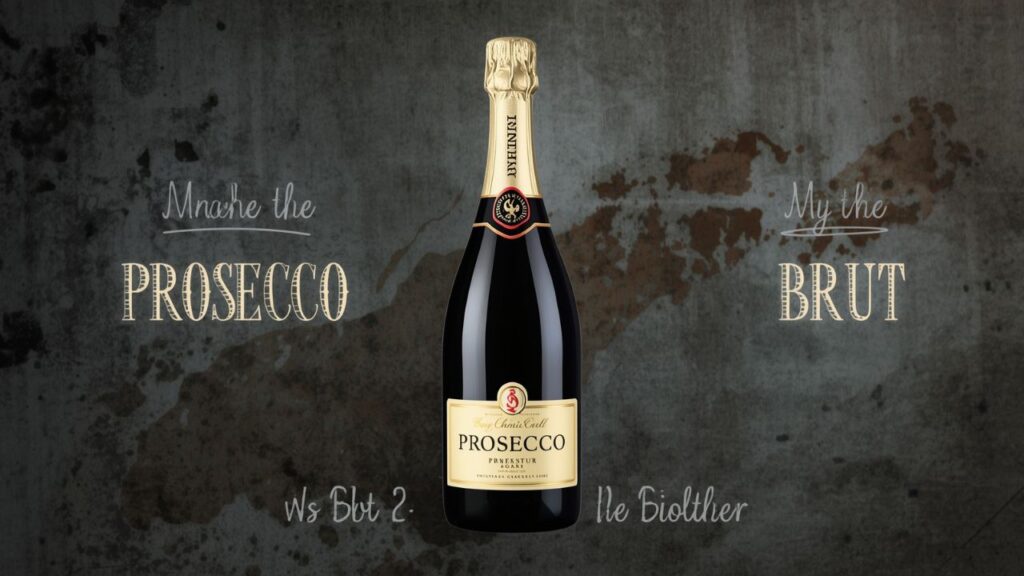
Being sure in fizzy wine lanes involves grasping the tags. When you grab a bottle, hunt for two main facts: its title and how sugary it is. A bottle named just “Prosecco” is from Italy and has a sweet word like Brut, Extra Dry, or Dry too. Hunt “that” and its spot. Maybe French fizzy, Spanish fizzy, or a fizzy from the West. It shows skill, fruit tastes, and cost tags. So, a fast tip is this: for a good, fruity drink, buy a Prosecco Brut. For a deep, toast feel, seek a bottle from a top place like Champagne that says Brut.
The Price Point Perspective: Understanding Value
Often, bottles cost way different, and that’s due to how they are made. Prosecco is cheap since tank work needs less work and time. This lets them sell good, fun bubbles at a fair cost, great for daily joy. But, sparklers marked Brut made the old way—like Champagne, good Cava, or best American fizz—need more time and care to sit long. That time spent lifts the price. So, you pay not for a name; you pay for a special, old way. Knowing this helps you pick: get Prosecco for good, loved value, and buy old-way Brut for a day where craft is part of the fun.
Beyond the Basics: Exploring Other Sweetness Levels
We look at Prosecco vs Brut, but fizz sweets are a scale. Knowing the steps aids what you get. Brut is the loved dry kind. Yet, if a Prosecco or fizz says Extra Dry, now it is a bit sweeter than Brut, a nice treat. A Dry or Sec tag means a more sweet wine, while Demi-Sec is so sweet and great with sweets. The least sweet is Brut Nature, with no sugar and shows a stark, clean taste. These words help you pass Brut and Prosecco and see all types, so you get the best match for your treat or taste.
Your Personal Taste Journey: The Best Way to Learn
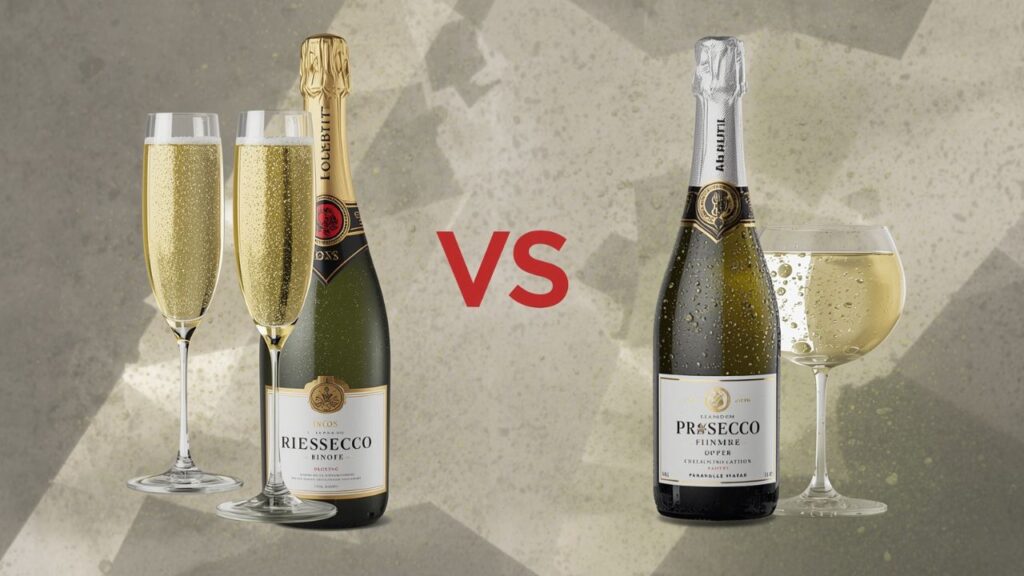
The greatest kick to get what splits Prosecco from Brut comes as you live it up. We say go for a chill, neat test run. Grab some bubbly Prosecco vs Brut made in Italy and one not from there like Spanish Cava Brut, or Cali’s Brut. Make sure they’re ice cold, then taste each. Sniff first—the Prosecco might smell like fresh fruit, but the other one, citrus or baked stuff. Taste next, body, bubble feel on your tongue and end taste. Is one sharp? Does one taste silky? No fails, only finds. This heads-up between them shows the neatest way to teach your tongue and find which bubbly makes parties epic.
Prosecco vs Brut: Your Quick-Reference Guide
Picking the right fizz gets easy when you know stuff. This table shows what splits them, helping you nail the right bottle for your vibe and scene.
| Aspect | Prosecco | Brut |
| What It Is | A specific type of sparkling wine from Italy. | A sweetness level (dry), not a wine type. |
| Primary Grape | Glera (formerly called Prosecco). | Varies (Chardonnay, Pinot Noir, etc., depending on region). |
| Key Production Method | Charmat Method (Tank Method) – fermented in large tanks. | Often Traditional Method – fermented in the individual bottle. |
| Typical Flavor Profile | Fresh, fruity, aromatic – green apple, pear, melon, citrus blossom. | Dry, crisp, complex – citrus, green apple, toast, almond, mineral notes. |
| Sweetness Level | Can be Brut (dry), but its fruitiness can seem “fruit-sweet.” | Defined as dry (0-12 grams of residual sugar per liter). |
| Bubble Texture | Lively, frothy, lighter bubbles. | Finer, more persistent, energetic bubbles (especially in Traditional Method). |
| Best For Pairing | Brunch, light apps, fruit, mild cheeses, spicy cuisine. | Salty/fried foods, oysters, creamy pasta, roasted poultry. |
| Classic Occasion | Casual celebrations, aperitifs, parties, everyday enjoyment. | Formal toasts, weddings, anniversaries, elegant dinners. |
Quick look: See it as soft, light stuff from Italy’s lush fields now, green and calm. See Brut as just meaning “not sweet.” You might snag a Prosecco Brut (a drier Prosecco), but not every Brut fizz is Prosecco. Pick Prosecco for fruity feels; grab a Brut for a sharp taste.
Conclusion
So, Prosecco vs Brut shows that one’s from Italy, and the other is a not sweet style tagged on many drinks. Prosecco gives a sure fruity, scented, neat vibe that’s often cheap. Brut means a not sweet taste you find in epic sparklers that have cool tastes. Your pick rides on your taste and vibe. Want fresh, chill, fruity glass? Nab a Prosecco. Want a sharp, not sweet, and neat drink? See a Brut, if it’s on Champagne, Cava, or good fizz from somewhere. The best call is to check both. Taste both, find your zing, then what you love picks the best pop for a real blast.
FAQs
1. Is Prosecco sweet or dry?
Most have “that”, not too sugary. Pear tricks fool you into having more sweet things. Need more sweets? Hunt “Sweet” on the glass quickly.
2. Can a wine be both Prosecco and Brut?
Ah yes. “That” shows sugar, not what stuff it is. “That Fizz” crops up now. This is fizz, but not sweet. “Extra Sweet” tastes more lush than the usual sweet kind.
3. Which has finer bubbles, Prosecco or Champagne Brut?
Often, French fizz or fine pops make small, high bubbles. Tank fizz’s bubbles kiss like air on your lips as you sip it then.
4. What’s the best choice for a mimosa or cocktail?
This is easy, cheap for mixes or zips. Its soft taste fits right in, so skip good stuff made to drink solo now.
5. If I like dry wines, should I choose Brut or Prosecco?
Want drinks with no sweets? Check for “That.” It is not sweet. Then, taste fizz fruit or French fizz warm bread.