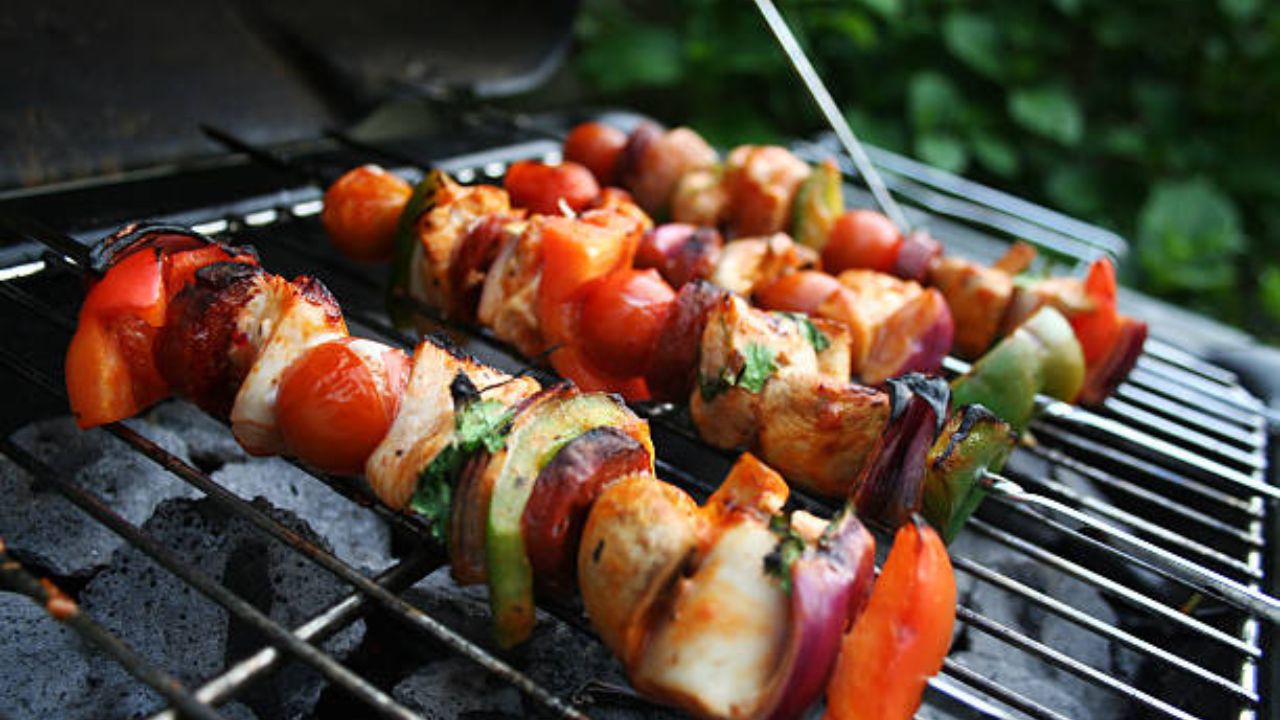
“The Griller” is more than just a cook; it’s a flavor-chasing, fire-taming maestro transforming regular dishes into smokey masterpieces. This BBQ fanatic loves flexibility whether slow-smoking ribs over hardwood for a weekend gathering or rocking a fast gas grill supper on a Tuesday. They are equal in their pragmatic (hello, propane convenience!) and puristic (all hail wood-fired scent!). From juicy burgers to melt-off-the-bone brisket, “The Griller” lives for that ideal sear, the ballet of flames, and the delight of getting friends around a sizzling feast. eager to level up? Time to grill smarter, smoke deeper, and eat happier—grab your tongs. 😥
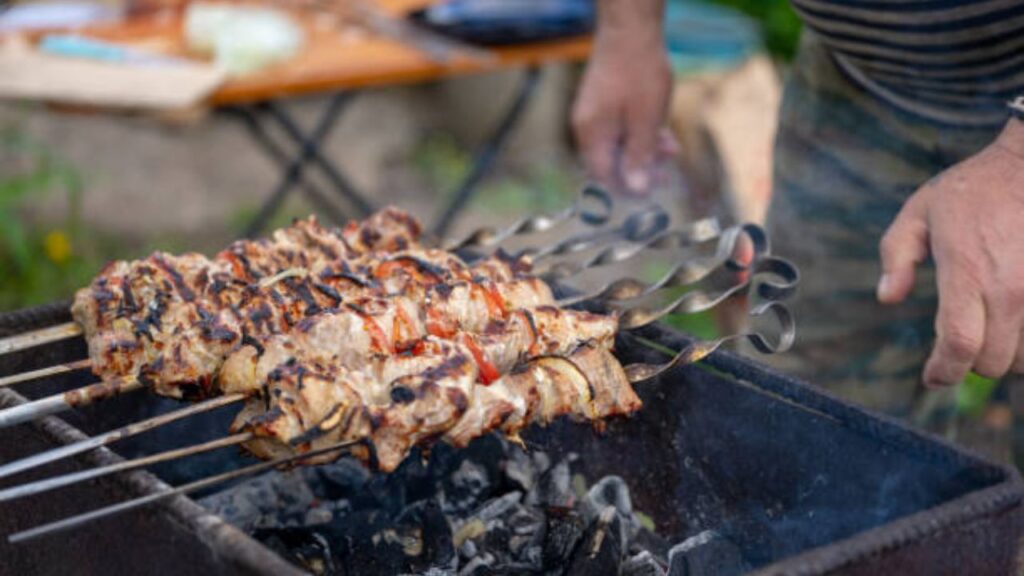
Why “The Griller” Needs to Explore Different BBQ Styles
Every grilling fan, also known as “the griller,” is aware that learning the art of BBQ requires trying out several tools and methods. Although gas barbecues are convenient, wood fire grills provide meats and vegetables unparalleled smokey depth. Knowing both techniques will enable you to fit several events, from a weekend feast to a fast meal tonight. Examining gas and wood choices helps “the griller” to be flexible and ready to wow any audience with flavorful cuisine.
Burner Gas the griller: Speed and Simplicity for Everyday Grilling
For “the griller,” who appreciates speed and control, gas grills are the preferred choice. After a hectic day, you want quick heat—perfect for cooking burgers, poultry, or vegetables—just by turning a knob. Modern gas burners enable you to sear steaks on high heat while gently cooking vegetables adjacent by including temperature indicators and many zones. Perfect for novices, they are low-maintenance and easy to clean. Gas grills lack the smokey scent that marks classic BBQ, even if they offer consistency. For “the griller,” this is where wood fire grills shine in providing authenticity.
Smokey Wood Fire the griller: Unleashing Authentic BBQ Flavors
“The griller’s best friend for rich, smoky flavors is wood fire grills,” said Burning wood like hickory, oak, or applewood gives meats distinct smells that cannot be matched by gas. Although first frightening, the procedure entails controlling fire and smoke; the benefits are well worth it. Imagine biting into fish with a hint of cherrywood or ribs with a caramelized bark—it changes everything. For “the griller” ready to welcome patience, wood fire cooking transforms meals into unforgettable events.
Gas vs. Wood: Which Grill Suits “The Griller’s” Lifestyle?
Your priorities will determine which of gas and wood you choose. Convenience drives gas grills; they are excellent for regular usage and available in just minutes. On the other hand, “the griller” driven by heritage could choose the hands-on method of wood fire. Though they require more work (lighting charcoal, controlling embers), wood barbecues reward you with better flavor. A compromise, hybrid grills allow you alternate between wood chips and gas burners. To choose what matches your BBQ path, weigh your time, money, and enjoyment of experimenting with fire.
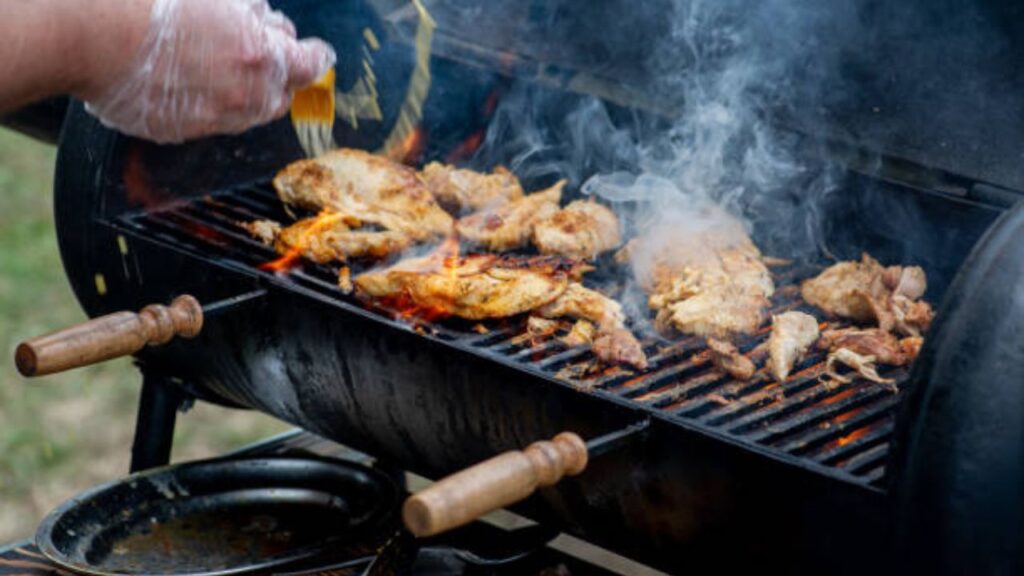
Transitioning from Gas to Wood: Tips for “The Griller”
Turning to wood fire means developing your abilities rather than giving up your gas barbecue. For a touch of smoke, start by stuffing wood chips into the smoker box of your gas grill. Before working with all-wood configurations, practice creating little fires using lump charcoal. To prevent lighter fluid—which can leave toxic tastes—use a chimney starter. Always carry a spray bottle to help with flare-ups. “The griller” should also make a decent meat thermometer investment as wood flames vary in temperature and hence accuracy is important. Practicing will help you to balance smoke and heat like a master.
The Magic of Smoke the griller: How Wood Types Elevate Your BBQ
Not every piece of wood is made equally. The griller should combine foods with complimentary woods: mesquite for strong beef, cherry for sweet pork, or pecan for delicate chicken. Avoid softwoods like pine as they emit strong resins. To stretch smoking time, soak wood chips in water for 30 minutes before adding them to the fire. To develop unique tastes, try combinations (hickory + maple). Remember, smoke is not only for meat; for creative variations, try smoking cheeses, almonds, or even cocktails.
Essential Tools Every Griller Needs for Wood Fire Success
Change your toolset to become a skilled wood fire grilling artist. Strong long-handled tongs help hands stay free from flames. Gloves resistant to heat assist to position logs or change grates. While a drip pan gathers fats to cut flare-ups, a cast-iron skillet is ideal for searing over direct fire. Along with an ash vacuum for rapid post-BBQ cleanup and a grill brush for cleaning, “The griller” should also have Remember to check interior temps without opening the lid by using a wireless thermometer, therefore conserving valuable heat.
Maintaining Your Grill: Longevity Tips for Gas and Wood Setups
Maintenance keeps your grill running, whatever of the fuel—wood or team gas. Check burners of gas grills for blockages and repair damaged components. To stop fires, routinely clean grease pans. To increase airflow, remove ash from wood grills after every usage. Cast iron grates seasoned with oil help to prevent corrosion. “The griller” should cover both kinds of grill while not in use to guard against weather. Monthly deep clean grates using a vinegar-water solution; this is environmentally friendly and efficient.
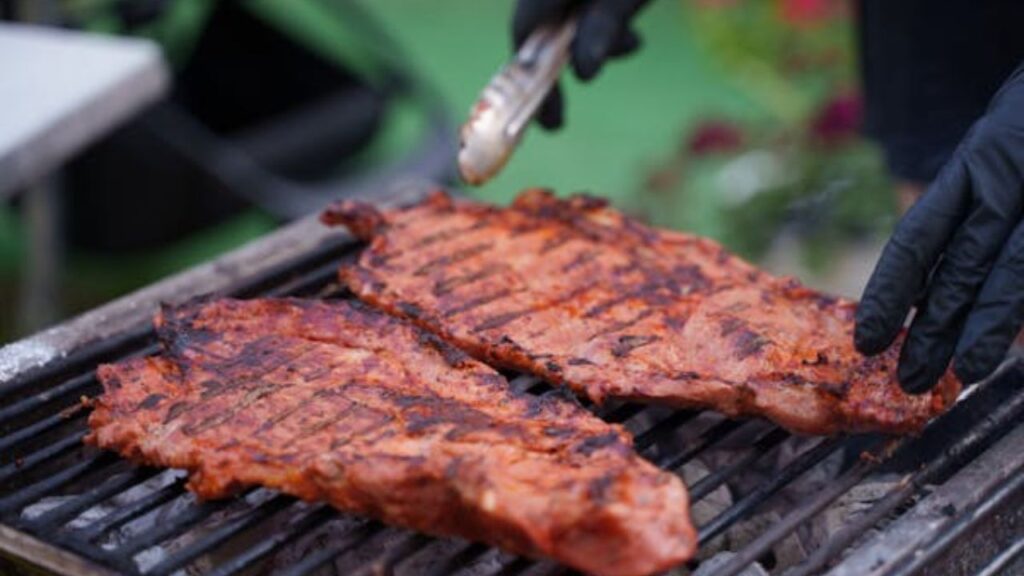
Hosting Like a Pro: BBQ Recipes to Show Off Your Skills
Show visitors foods that accentuate the qualities of your grill. Try delicious and hassle-free beer-can chicken on gas. Use post oak wood and smoke a brisket low-and-slow for wood fire. People who enjoy vegetables will love smoked portobello mushrooms or cedar-plank salmon. “The griller” may even make dessert on the grill: bake pan cookies over embers or barbecue peaches with honey. For a complete sensory experience, match meals with smoking cocktails—such as a mezcal margarita.
The Future of Grilling: Sustainability Meets Innovation
Present food that accentuates the qualities of your grill to guests. Try beer-can chicken on gas—juicy and hassle-free. Smoke a brisket low-and-slow with post oak wood for a wood fire. Fans of vegetables will appreciate smoked portobello mushrooms or cedar-plank salmon. “The griller” may even make desserts on the grill: bake pan cookies over embers or barbecue peaches with honey. For a complete sensory experience, match meals with smoking beverages (such as a mezcal margarita).
🔥 Gas vs. Wood Fire Grills
| Factor | Burner Gas Grills 🔥 | Smokey Wood Fire Grills 🌳 |
| Flavor | Clean, consistent, but less smoky. | Bold, complex, with natural wood aroma. |
| Convenience | Ready in 10 mins; perfect for busy nights. | Takes 30+ mins to start; ideal for weekends. |
| Skill Level | Beginner-friendly (set temps & grill!). | Needs practice (fire control = art + science). |
| Cost | $$$ (higher upfront, cheaper long-term). | $$ (affordable grill, pricier hardwood). |
| Maintenance | Easy: clean grates + check burners. | Hands-on: ash removal + seasoning grates. |
| Best For… | Weeknight dinners, veggies, quick cooks. | Slow-smoked meats, parties, flavor adventures. |
Conclusion:
Whether your preferred method of cooking is wood fire or gas grill, the fun of grilling resides in community and inventiveness. Start small, play around with tastes, and don’t worry about mistakes—each burned burger teaches something. With the correct tools and enthusiasm, “the griller” can make any backyard a BBQ heaven. Then light those grills, invite folks over, and let the smoke—or gas—work its magic!
FAQ’s
1. Can I get smoky flavors on a gas grill?
Indeed. Slide wood chips beneath the grates in a smoker box or foil bag. Burger, chicken, or vegetables will have a subdued smoky touch from your gas barbecue.
2. What’s the easiest wood for beginners to use?
First start with mild, adaptable woods like apples or cherries. They gently sweeten meats like pork, chicken, or fish without overwhelming them.
3. Are wood fire grills harder to clean than gas grills?
They call it somewhat more work; clean grates and remove ash after every use. Gas grills do, however, require routine burner inspections and grease pan cleanings. Ten to fifteen minutes are involved both here.
4. Is a wood fire grill worth the extra time?
Indeed, if you appreciate rich, real BBQ tastes. Though the smokey results—and joy of fire-tending—make it worthwhile for enthusiastic grillers, wood grills require more time to perfect.
5. Can I use both gas and wood grills for the same meal?
Correct! Cook vegetables, garlic bread quickly with gas; slow-smoked mains (ribs, brisket) call for wood. Hybrid grills enable you to easily alternate between two types.