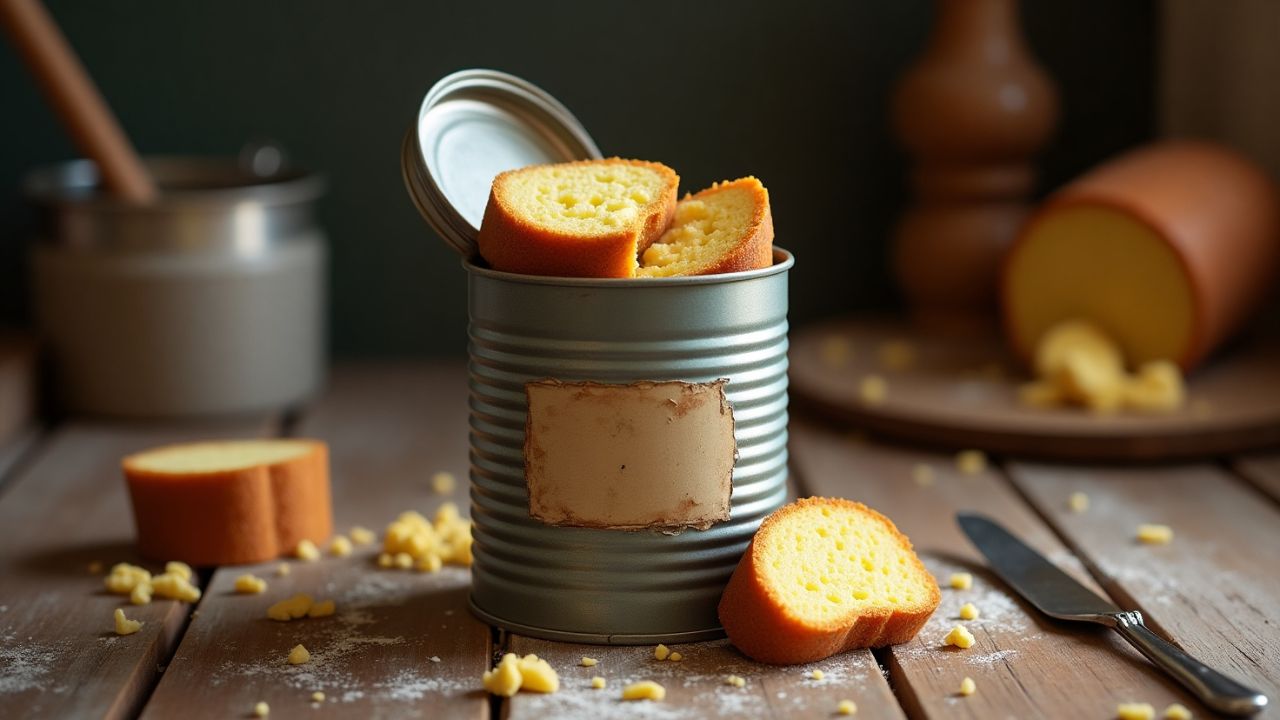
Want cake but detest the mess the baking creates? Your response is a pre-baked, portable dessert nestled within a sealed tin—cake in a can. Just snap the lid for instant sweetness; no oven or mixing. Ideal for camping, crises, or nocturnal appetites, this trend combines nostalgia with contemporary ease. Is it palpable? Environmental? Value the buzz. We’ll look at how it’s done, where to get it, and why it’s a game-changer for hectic schedules. Let’s unbox the enchantment of tinned cake.
What Is Cake in a Can?
Imagine wishing a slice of moist, freshly made cake but not wanting to handle ovens, mixing dishes, or cleanup. Now enter cake in a can—a brilliant idea precisely what it sounds like! Baked and kept within a sealed container, this creative dessert is portable, shelf-stable, and ready to enjoy whenever. Cake in a can provides a fuss-free approach to fulfill your sweet taste whether your event is last-minute, you’re camping, or you just indulge yourself. Using airtight vessels to lock in the newness and taste, the idea combines conventional baking with current convenience.
The History of Canned Cakes
Unbelievably, the concept of storing baked products in cans is not totally fresh. Canned breads and cakes were created to give troops quick, long-lasting sustenance during World War II that would be convenient to carry. By now, the idea has been resurrected as a quirky, nostalgic delight. Appealing to both busy families, explorers, and dessert aficionados, modern versions of cake can concentrate on excellent ingredients and unique tastes. Companies have also embraced the nostalgic appeal of canned products, transforming them into hip pantry basics or presents.
How Cake in a Can Is Made
Making a cake in a can calls for both creative packaging and baking scientific knowledge. Pupils pour batter straight into sterilised, food-safe cans and bake till frothy. The cans are sealed once cold to trap in moisture and stop spoiling. While some stay with basic single-flavor cakes, others incorporate layers of frosting or fillings. The technique guarantees that, without refrigeration, the dessert stays fresh for several weeks or maybe months. Unlike conventional cakes, which soon dry out, the airtight can preserve taste and texture like a small vault.
Why Cake in a Can Is Perfect for Modern Lifestyles
Life goes quickly, and canned cake fits quite well in the on-the-go society of today. For catastrophes (such as sudden cupcake cravings), outdoor activities, or as a backup treat for uninvited guests, it is perfect. While travellers value its robustness, parents love it for lunchbox snacks. It also lessens food waste since pre-measured servings mean less chance of a half-eaten cake getting stale. It changes things for people with small kitchens or no baking experience.
Flavors and Customization: Endless Options
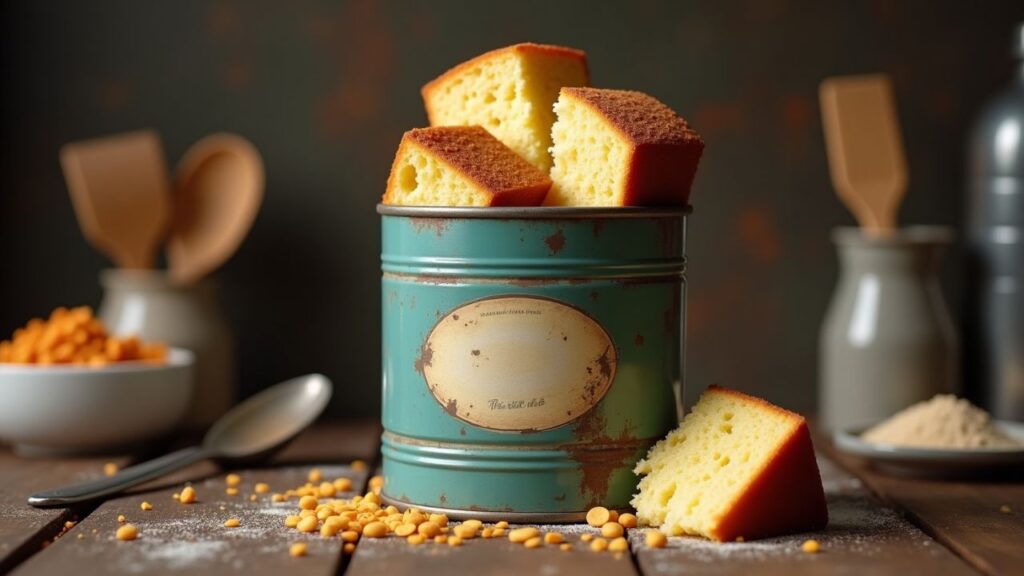
From classic chocolate and vanilla to bold flavors like caramel salted butter or matcha green tea, cake in a jar smells to suit every palette. Certain companies even provide seasonal choices with peppermint or spiced pumpkin. Want it to be especially yours? Custom kits let you add edible glitter, frosting, or sprinkles before capping the can. There are plenty of low-sugar, vegan, gluten-free options for dietary needs. The tiny scale also makes it possible to sample many flavors without committing yourself.
Where to Buy Cake in a Can
Specialty food stores, internet markets like Amazon or Etsy, and straight from boutique bakeries all carry canned cakes. Additionally emerging are subscription services that send monthly surprises right to your home. Prices vary; basic variations cost as little as 5, while artistic options with premium components might hit 5. To guarantee quality, always check reviews; also, search for brands using environmentally friendly packaging and devoid of BPA cans.
DIY Cake in a Can: A Fun Kitchen Project
Having an adventurous spirit? Try at home creating your own cake from a can. First, clean empty aluminum cans—soup or vegetable cans work. Butter the inside, top half with your preferred batter, and bake until toothpick inserted into center comes out clean during 350°F. Let it cool; if you choose, add icing; then, cover with wrapping paper or a lid. Since homemade versions last around a week, share them right away! Children’s parties or as individual presents would benefit this effort.
The Environmental Impact of Canned Cakes
Although handy, some worry that reusable waste can be used. Luckily, a lot of businesses these days employ reused or recycled packaging. Being infinitely reusable, aluminum cans are greener than plastic. Certain companies even run return programs whereby you send back empty cans for savings. To cut your impact at home, use recycled cans for preservation jars, pencil owners, or planters.
Cake in a Can vs. Traditional Baking: Pros and Cons
While canned cake wins on longevity and ease, it cannot really duplicate the taste of a freshly cooked, handcrafted confection. While canned versions concentrate simplicity, conventional cakes let more creativity in decoration and sizing. Though cake in a can conserves time and work, cost-wise DIY baking is less expensive per serving. Busy people will find the trade-off worthwhile.
The Future of Cake in a Can
As demand rises, expect more creativity; consider savory possibilities like cheesecake, alcohol-infused pastries, or tiny cans for single doses. Packaging improvements will be motivated by sustainability, and working with famous chefs might help to improve its gourmet reputation. Like unboxing pictures, social media developments will keep driving its appeal. One thing is certain: cake in a can is here to stay and will change our fast-paced world’s dessert enjoyment.
Cake in a Can vs Traditional Cake
| Feature | Cake in a Can 🥫 | Traditional Cake 🎂 |
| Convenience | Ready-to-eat, no baking required ✅ | Needs prep, baking, and cleanup ❌ |
| Shelf Life | Lasts months unopened 🕒 | Best eaten fresh (1-2 days) ⏳ |
| Portability | Camping, travel-friendly 🏕️ | Fragile, messy to transport 🚫 |
| Customization | Pre-flavored, limited options 🎨 | Endless flavors and designs 🌈 |
| Cost | 5−5−20 per can 💸 | Cheaper per serving (if homemade) 💰 |
| Eco-Friendliness | Recyclable cans ♻️ | Food waste risk, packaging varies 🗑️ |
Why Cake in a Can Is Worth the Hype 🍰
1. It Fits Every Lifestyle
Cake in a can removes obstacles regardless of your level of busy parent, zero cooking knowledge student, or adventurer who yearns for dessert under the stars. No oven? There is no issue. In dessert form, it is inclusive.
2. Nostalgia Meets Innovation
Though current variations (think of matcha or vegan cakes) keep it fresh, canned goods bring back memories of nostalgic kitchens and wartime creativity. Perfect for Instagram or grandma’s picnic, this is comfort cuisine with a modern edge.
3. Reduces Decision Fatigue
Have you ever given up after staring at cake instructions? Pre-portioned cans allow you to avoid the “what if I mess up” anxiety. Just unwrap, consume, and delight yourself.
4. Sustainable Swagger
Heroines in reuse are aluminum cans. Companies are even introducing recyclable liners or reused jars to enable guilt-free pleasure.
5. Surprise Factor
Like a gourmet treasure hunt, unpacking a cake from a tin is interesting and exciting. DIY kits also help you add your flair without having to start from nothing.
Final Takeaway
Cake in a can is not meant to replace the renowned layer cake made by grandmother. Rather, it’s the perfect companion for contemporary life—where flavor, convenience, and a little whimsy mix. Try it once to understand why it goes beyond mere fashion.
Conclusion
Whether your interests are desserts, busy parent, or just curiosity, cake in a can presents a creative, useful variation on traditional delicacies. It is portable, reasonably priced, and endlessly configurable. Try it; you could find your new preferred method of enjoying cake without all the work!
FAQ’s
1. Is cake in a can actually tasty?
Sure! Thanks to tightly sealed sealing, contemporary versions remain wet and employ superior ingredients. Consider it as a freshly made cupcake, simply kept in a funny tin.
2. How long does cake in a can last?
The majority last on the shelf for six to twelve months; unaltered. Once opened, savor it within three to five days—if you can avoid eating it in one sitting!
3. Can I recycle the cans?
True! One hundred percent recyclable are cans made of aluminum. Certain companies even have reuse programs, which you can transform into storage jars or planters.
4. Where can I buy cake in a can?
Search online (Amazon, Etsy), niche retailers, or neighborhood bakers. One enjoyable approach to sample different tastes every month is via subscription boxes!
5. Can I make cake in a can at home?
Absolutely! Bake your batter within clean food-safe containers; seal. Perfect for do-it-yourself presents or an interesting kid’s kitchen activity.