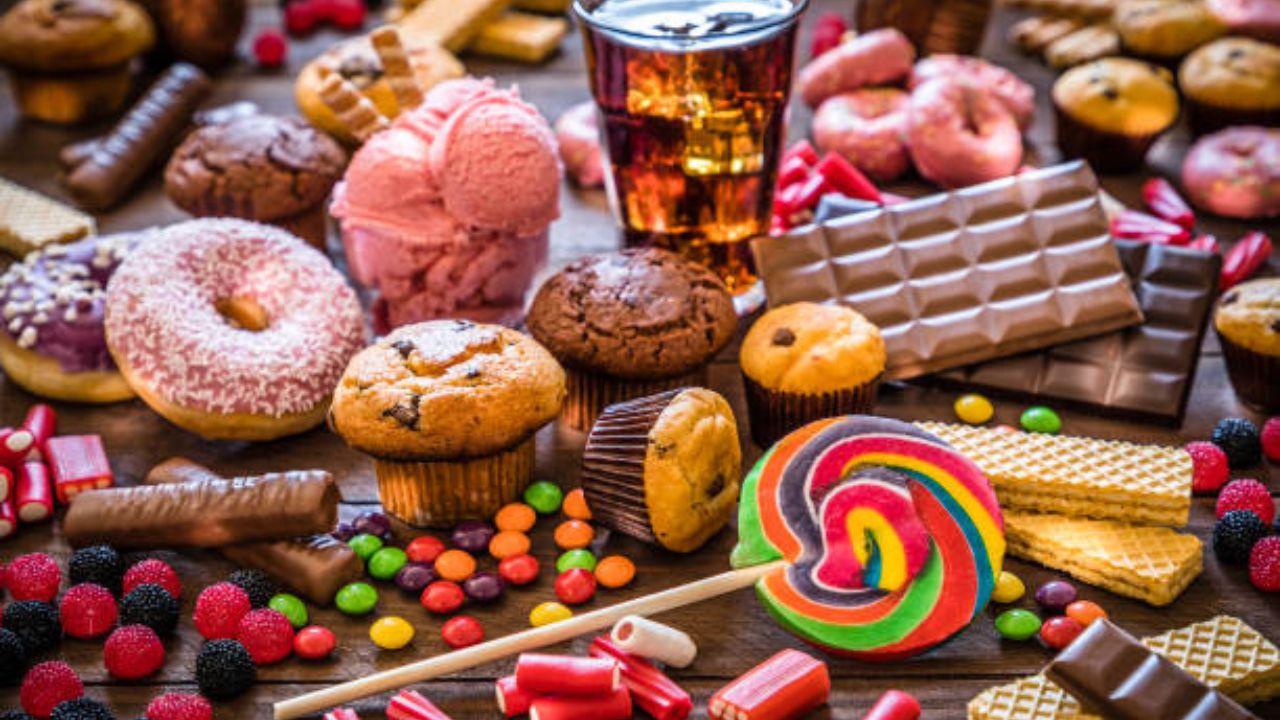
When you picture Ireland, vibrant bars, verdant surroundings, and rich history—but there’s another treasure worth exploring: Irish sweets. From nostalgic hard candies to creamy chocolates, Ireland’s sweets are a wonderful mix of history, quality, and inventiveness. This book explores all that makes Irish candy unique, whether your vacation to the Emerald Isle is only a taste of its sweet side or you’re planning one. Let’s untangle the history of these delicacies and investigate the reasons they have won people over all around.
What Makes Irish Candy Unique?
Irish sweets are unique in their link to regional foods and time-honoured recipes. Thanks to Ireland’s abundant pastures and contented cows, several treats—including buttery fudge and creamy chocolate—showcase the country’s renowned dairy products. From the 1800s, companies such as Cadbury Ireland—think of Dairy Milk bars—have been creating sweets by combining fresh Irish milk with fine cocoa. But it’s not only about chocolate; Britain also boasts unusual sweets including traditional licorice, usually flavored with anise, and sliced rock, a spicy hard candy. With certain recipes handed down over the years, these sweets sometimes represent Ireland’s cultural roots. Moreover, many Irish sweets are created in tiny quantities, which lends a handcrafted appeal lacking in mass-produced nibbles.
A Bite of History: The Evolution of Irish Sweets
The rich sweet legacy of Ireland is matched by its mythology. Before sugar became generally available centuries ago, people turned to fruits and honey for sweetener. Sugar imported by the 1700s set off a revolution in confectionery. Candy producers started gathering in Dublin, and stores offering “penny sweets” to excited children became a hive. Brands like Butler’s Chocolate and Cleve’s Toffee, which started in 1887, started influencing Ireland’s sweet scene in the 19th century. Also important were traditional recipes like a seaweed-based confection called Irish moss carrageenan. Irish confectionery nowadays strikes a mix between nostalgia and creativity—think chocolate bars mixed with sea salt from the Wild Atlantic Way or Irish whiskey.
Must-Try Irish Chocolates
There would be no full analysis of Irish sweets without chocolate. Made in Dublin, Ireland since 1933, Cadbury’s Candy milk with dairy is a soft typical; the Butler’s Chocolate, in addition to has opulent pralines and truffles to be used Try Lir Chocolates, which combine dark cocoa with locally made products like Irish coffee cream or Baileys liquor, for something very Irish. Although Lily O’Brien’s bit-sized sweets are ideal for gifting, O’Conaill’s in Cork have renowned hot chocolate flakes. Many chocolatiers also celebrate Ireland’s landscapes; check for bars flavored with caramel and salted caramel generated by seashore elements or topped with honeycomb, sometimes known as “cinder toffee.”
Classic Irish Hard Candies and Licorice
Ireland’s hard candy is a nostalgic pleasure if you want something to suck on. because in the 1800s, Clove Rock, which is with its spicy-sweet taste, has been a favorite. At Irish fairs, yellowman—a chewy honeycomb toffee—is a mainstay; Panda Licorice presents a softer, fruitier variation on classic licorice. Purists find Irish black the licorice packs a strong, anise-like punch. Perfect lunchbox snacks or mementos, these sweets are generally sold in lovely paper bags at neighborhood markets or traditional sweet stores.
Irish Fudge and Toffee: Creamy Comfort in Every Bite
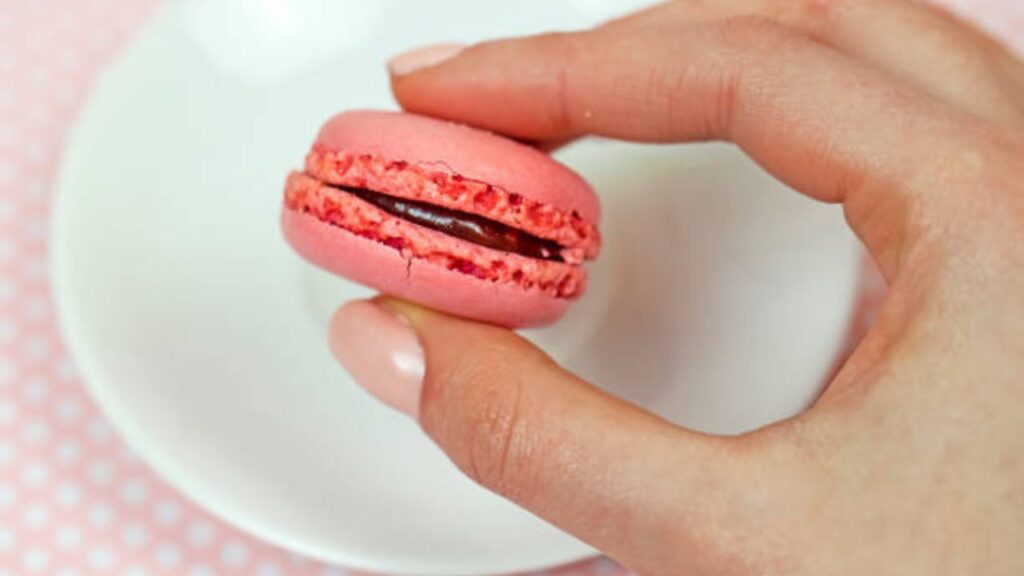
Thanks to their rich tastes and silky texture, Ireland’s fudge and toffee are fabled. For more than 130 years, Cleve’s Toffee—with its buttery, melt-in-your-mouth taste—has been owned by the family. Luxury brand Avoca Handweavers offers hand-wrapped fudge in tastes ranging from vanilla bourbon to salted caramel. Many small towns also feature local fudge stores where you may see candy makers pour molten sugar on marble slabs. Usually presented with tea or as a post-dinner treat, these delicacies are more than just food; they represent Irish hospitality.
Seasonal Irish Candies: Celebrating Holidays the Sweet Way
Irish sweets shine especially on holidays! Barmbrack, a fruitcake, covers rings and cash for good fortune during Halloween. Easter sees chocolate eggs filled with rich ganache; Christmas presents Quality Street tins laden with caramel moves and hazelnuts clusters. St. Patrick’s Day is, of course, all about green-themed treats—maybe lime-flavored sweets or mint chocolate shamrokes. Seasonal markets abound in homemade delicacies, much as Dublin’s Thanksgiving Flea Market, which makes it easy to engage in the festive enjoyment.
Pairing Irish Candy with Drinks: A Match Made in Heaven
Irish sweets are great when combined with beverages; they are not only for munching! To accentuate the bitterness of cocoa, try dark chocolate with a smooth Irish whiskey—like Jameson. Milk chocolate balances the sturdiness of Irish breakfast tea with creamy sweetness, therefore enhancing its appeal. Dip buttery toffee into a hot cocoa mug for a warm evening in. Even those who enjoy licorice can be inventive; its strong taste accentuates a sour apple cider or a fresh Guinness.
Where to Find Authentic Irish Candy
Hit stores like Candyland in the city of Dublin or The English markets in Cork over shelves loaded with sweets while seeing Ireland. Online, Amazon and Irish Food Hub ship all around providing everything from chocolate bars to clove rock. Don’t ignore neighborhood Irish bars or gift stores overseas; many of them import delicacies. Check use-by dates and seek for brands stressing Irish dairy or cocoa sourcing if you want the freshest competence.
DIY Irish Candy: Easy Recipes to Try at Home
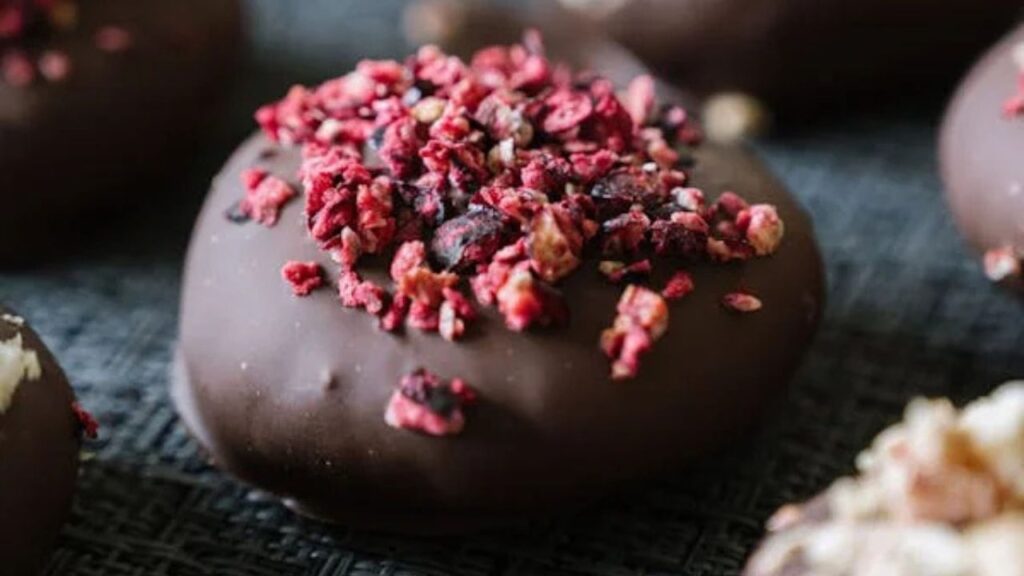
Want to have Ireland’s tastes right in your kitchen? Roll crushed cookies mixed with Baileys in chocolate and whip Irish cream truffles. Alternatively create classic fudge using butter, sweetness, and condensed milk—stirring in a teaspoon of sea salt for a contemporary spin. Boiling water, sugar, and cloves will produce hard-crack stage craft clove rock for a creative project. These are easy, satisfying dishes ideal for sharing with friends.
Why Irish Candy Continues to Charm the World
Irish sweets celebrate history, skill, and delight rather than only sugar. From the creamy take of a Dairy Milk barre to the process of honeycomb toffee to the cosiness of chocolate flavoured with whiskey, these treats tell a story. Carefully crafted, they often draw on recipes handed down through centuries past your grandparents and let everyone savor a touch of Irish heritage.
Irish Candy vs. Mass-Produced Candy
| Aspect | Irish Candy 🍀✨ | Mass-Produced Candy 🍬 |
| Ingredients | Rich, local dairy (Irish butter/milk), natural flavors, traditional recipes. | Often artificial flavors, preservatives, and cheaper sweeteners. |
| Flavor Profile | Balanced sweetness with depth (e.g., whiskey-infused chocolate, spicy clove rock). | Overly sweet or one-note (think generic fruit or caramel). |
| Cultural Connection | Rooted in Irish heritage (holidays, family recipes, local ingredients). | Lacks regional identity; made for global appeal. |
| Production | Small-batch, handcrafted, and family-owned brands (e.g., Butler’s Chocolate). | Factory-made, standardized for mass markets. |
| Occasion | Tied to traditions (St. Patrick’s Day, Christmas markets, tea time). | Everyday snacking with no seasonal ties. |
It’s Steeped in Tradition 🕰️
Irish sweets are a mouthful of history rather than only sugar. Recipes like clove rock connect contemporary sweet-lovers to Ireland’s past or Cleve’s Toffee (dating back to 1887). Designed for celebrations, holidays, and family get-togethers, these sweets are a great way to savor Irish tradition.
Quality Over Quantity 🌱
Mass-produced sweets give shelf life a priority; Irish sweets emphasise taste and quality. constructed with Irish grass-fed butter or Lir Chocolates mixed with local whiskey, like creamy Cadbury Dairy Milk. Every mouthful seems deliberate, as though someone who loves created it.
Final Thought
From its modest origins in Dublin’s candy stores to its presence in world kitchens, Irish sweets have something to suit every taste. These delicacies will thrill you whether you’re savoring Ireland or pampering yourself. One great nibble at a time, grab a drink, open a chocolate, and let Irish sweets carry you to the Emerald Isle. 🍫🍀
FAQ’s
1. What are some must-try Irish candies?
Not miss staples include traditional clove stone, Butler’s cacao truffles, and Cadbury Dairy Milk. Try Cleve’s Toffee for something smooth.
2. Where can I buy authentic Irish candy?
Search Dublin for stores like Candyland or make online purchases from Irish Food Hub. Many local Irish bars overseas also have these delicacies.
3. What makes Irish chocolate special?
Rich local dairy is used in Irish chocolate to create a creamier taste. Companies such as Lir even add sea salt or Irish whiskey to theirs!
4. Are there Irish candies for holidays?
Of course! Try dark chocolate eggs Easter, The quality Avenue tins Thanksgiving, or barmbrack over the holiday of Halloween.
5. Can I make Irish candy at home?
Certainly! Using simply butter, sugar, along with condensed milk, whipping up Baileys black truffles or made at home fudge.